Max Verstappen showcased his extraordinary driving skill by passing 100 go-kart competitors in a mere 35 minutes at Silverstone.
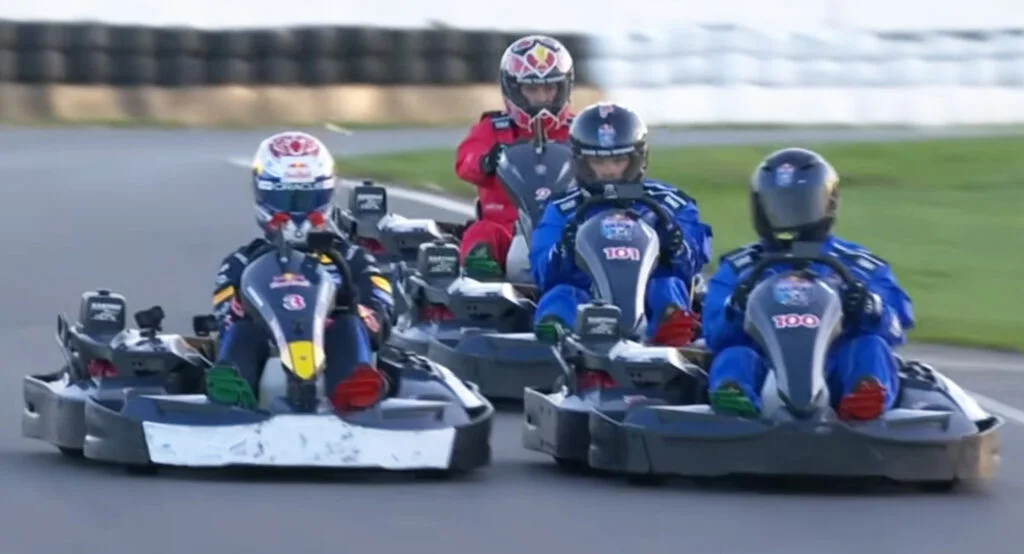
Max Verstappen recently demonstrated once again why he’s an elite driver by participating in a unique go-kart challenge where he had to overtake 100 competitors. This event, staged at the Silverstone circuit, saw the Red Bull Racing F1 driver begin from the back of the grid and complete the task in just 35 minutes.
Setting the Scene: Verstappen’s Challenge
The appeal of go-kart racing lies in its accessibility and the sheer thrill it provides. Unlike the high-octane and—let's face it—professionally sterile world of Formula One, go-karting often feels more relatable. While one might expect that a highly skilled F1 driver would handily dominate an amateur event, Verstappen's performance at Silverstone goes beyond mere superiority; it speaks to a broader narrative in motorsport about skill, flexibility, and adaptability.
Breaching the Barrier: Overtaking the Competition
During the thrilling race, Verstappen managed to pass more than 60 drivers in a single lap, instantly highlighting the striking difference between an F1 champion and typical amateur go-kart enthusiasts. But let’s break that down: overtaking 60 people in a single lap isn't just talent; it speaks volumes about the strategic foresight required in racing. This is a level of precision and decision-making that’s been honed through years of racing at the pinnacle of motorsport.
Not only did he weave through the packed field with remarkable agility, but he also eliminated drivers he overtook according to the event's rules, ensuring only a select few remained on the track as the race progressed. The format created an additional challenge, as it forced Verstappen to make quick not just on-the-fly decisions, but also tactical assessments about who to overtake and when—skills often overshadowed in traditional formats, where drivers are simply racing against the clock.
The Race Dynamics: A Third Dimension of Competition
The action made for an electrifying viewing experience, streamed live on platforms like Disney+ and the ESPN App. The chaotic start, where amateur drivers slowly launched off the grid while Verstappen swiftly maneuvered past them, added another layer of excitement. In many ways, this aspect of racing is often unseen in Formula One, where positions are heavily influenced by team strategy and pit stops.
Within moments, Verstappen had already created significant distance from the pack, illustrating how the skill gap can manifest in real-time race scenarios. He turned what could have been a routine challenge into an extraordinary spectacle, making viewers question whether they've been underestimating just how much skill is required even at the lower tiers of motorsport.
Pushing the Limits: A Deeper Look at Skill
By the eighth lap, Verstappen was firmly in the top five, closing in on the leaders who initially managed to pull ahead. His decisive moves allowed him to reach the front of the grid within mere laps, showcasing not just speed but also his adept handling of a tight and twisty track filled with less experienced drivers. If you're working in this space, it’s hard to ignore the psychological aspects of racing: the confidence it takes to make moves that others wouldn’t dare, particularly in close quarters.
Reflecting on the Experience
“It was great to just be back in a go-kart again and go back to basics; it reminded me of racing back in the day,” Verstappen reflected after crossing the finish line first. The sentiment reflects a pursuit of connection back to his roots in motorsport, where the atmosphere is less pressured and more about the sheer joy of racing—this is the part most people overlook. He added that the track's beautiful design and the ability to receive real-time data through radio communication made for an exciting challenge. This aspect often gets glossed over but emphasizes how even elite athletes appreciate the back-to-basics approach of go-kart racing.
Audience Reception and the Bigger Picture
The entire event, described by spectators as more captivating than recent Formula One races, underscores Verstappen's unparalleled driving prowess. When a single event can overshadow traditional formats that boast multi-million dollar budgets, it raises questions about what audiences truly crave in motorsports. Is it the speed? The strategy? Or perhaps something more raw and unfiltered? With an impressive performance like this, it’s clear why he remains at the pinnacle of motorsport. It’s about showing that raw talent can create extraordinary moments, regardless of the vehicle.
Future Implications: What’s Next?
Clearly, Verstappen's performance offers insights that could influence how racing events are structured in the future. The blend of elite talent with amateur backgrounds could become more common, creating opportunities for fans to connect with the sport on a deeper level. And yet, the challenge remains in how to maintain the essence of racing without watering it down. The spectacle of high-level competition shouldn't overshadow the fundamental joys of racing, which this event beautifully captured. For fans and aspiring drivers alike, Verstappen's prowess serves not just as inspiration but also as a reminder of the sport's heritage.

Discussion
Sign in to join the discussion.