The upcoming BMW M3 EV hints at thrilling performance and agility, even as it faces competition from Xiaomi's formidable SU7 Ultra sedan on the Nürburgring.
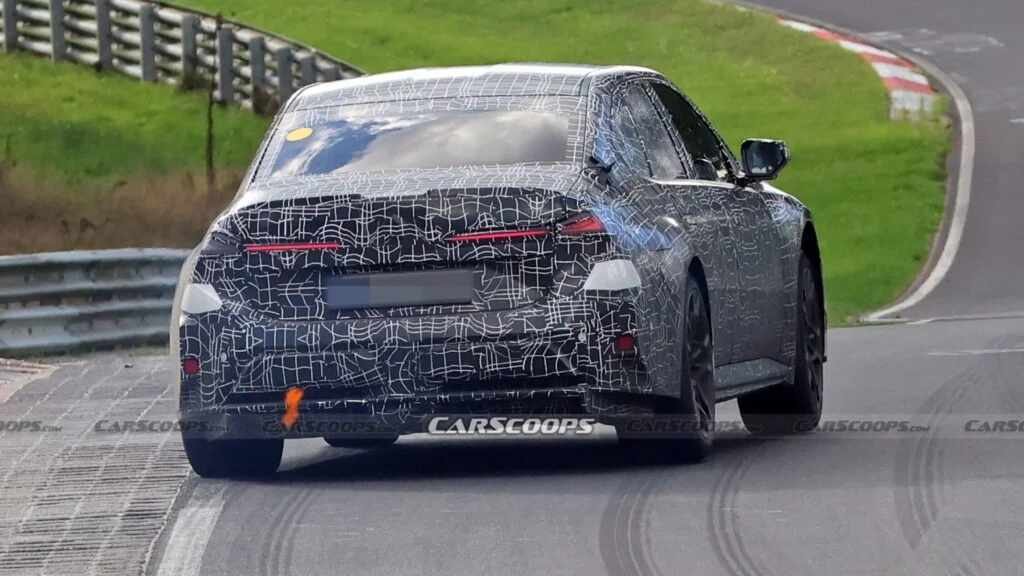
BMW's forthcoming electric M3 is poised to uphold the brand's legacy of performance, showing it can still drift like its gasoline-powered predecessors. Recent spy shots captured the prototype making impressive tire marks while tackling corners at the Nürburgring, suggesting that performance isn't being compromised in the shift to electric. This development signifies more than just a transition from internal combustion engines; it’s about maintaining a brand ethos that has defined BMW for decades. The M3—long celebrated for its driving engagement—is hinting that it won’t abandon what made it iconic as it embraces the electric future.
Competitive Landscape
This development comes as the M3 EV finds itself under competitive pressure from Xiaomi's SU7 Ultra, a hefty 1,526 hp sedan that was once the fastest production electric vehicle at the Nürburgring, clocking an impressive 7:04.96. However, trends can shift rapidly in the automotive world. The SU7 Ultra’s record has since been eclipsed by faster models, such as the Yangwang U9 Extreme and the Manthey-kitted Porsche Taycan Turbo GT. What does this mean? The performance benchmark is continuously rising. For BMW, being on the cutting edge of technology isn’t merely about horsepower figures—it’s about how those numbers translate into an engaging driving experience.
As the electric vehicle market grows, the fierce competition among manufacturers will likely propel innovations. While the M3 encounters newcomers boasting staggering output, it reflects a broader trend: power alone isn’t the decisive factor for every driver. If you’re working in this space, understanding the nuances of these dynamics is essential, as you see companies aligning their strategies to blend performance with distinctive driving experiences.
Powertrain Insights
Details about the powertrain of the electric M3 remain elusive, but indications point toward a more restrained approach. Instead of chasing the sky-high outputs seen in competitors like the SU7 Ultra, which boasts over 1,500 hp, the M3 is likely to be capped at around 800 hp. This aligns with BMW M boss Frank van Meel's perspective that excessively high horsepower in an electric vehicle isn’t always beneficial for control and agility. There’s a subtle acknowledgment here: while raw numbers attract attention, they're not the sole metric that determines a car's performance appeal.
This shift in approach reflects an insight that might be lost amidst the horsepower races often highlighted in automotive discussions. A focus on 800 hp might seem underwhelming on paper, but in practice, it can lead to more thrilling performance when combined with engineering that emphasizes handling and driver experience. BMW seems to be taking a mature stance here, suggesting that driving pleasure often comes from subtleties rather than extremes. And this is the part most people overlook: the conversation around driving dynamics often gets drowned out by a fixation on peak metrics.
Performance Philosophy
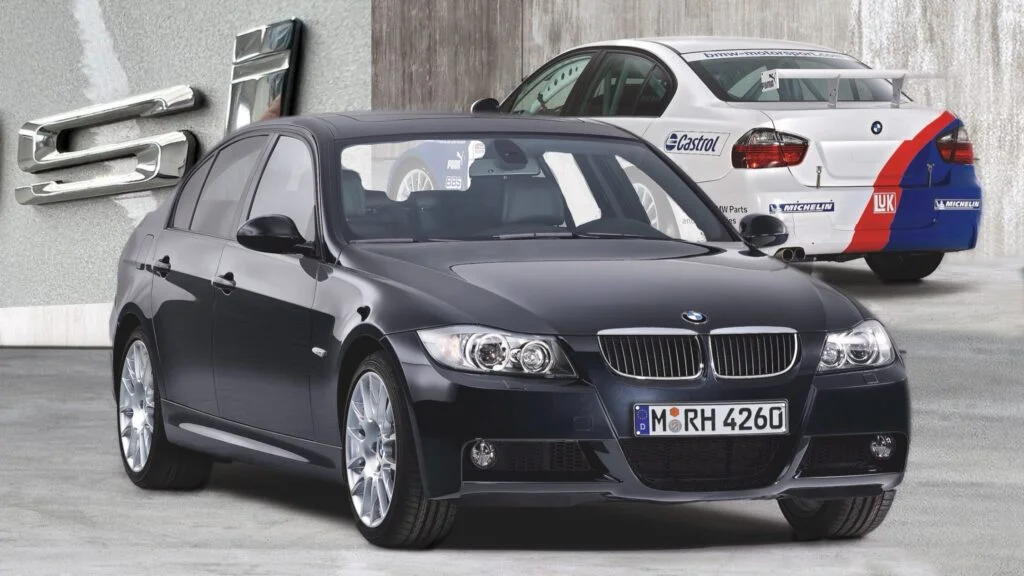
It's refreshing to see that BMW appears to be prioritizing agility over sheer power. The upcoming M3 EV is expected to feature four electric motors, enabling it to switch between rear-wheel and all-wheel drive configurations, alongside sophisticated torque vectoring that promises to enhance cornering prowess. This direction seems to hark back to the original E30 M3, which was lauded more for its nimbleness and driving feel than for outright speed. This nod to the past signals a desire to bridge the company’s heritage with its future, ensuring that the M3’s spirit remains intact, even in an electric guise.
While the Hyundai Ioniq N, generating 641 hp, has been received positively without calls for additional power, the M3's design team clearly feels compelled to push the envelope closer to 790 hp. Their design ethos reflects an understanding that driving joy often stems from a balanced mix of power and skillful handling rather than raw, unattainable speed. This balance could be what sets the M3 apart in a sea of electric performance cars that sometimes prioritize sheer output over a nuanced driving experience.
The Future of the M3
One might argue that in the world of heavy electric vehicles, BMW is cleverly navigating the conversation about performance and enjoyment. The ethos of fun driving isn't lost here; BMW is committed to ensuring that the M3, even without a traditional fuel engine, maintains the playful and responsive characteristics that enthusiasts cherish. The evolution of the brand into electrification doesn’t mean letting go of its core identity. That said, sticking to its roots while embarking on an electrification journey could be BMW's ace in the hole in retaining loyal customers and attracting new ones who share a passion for driving.
As competition heats up, particularly with heavy hitters like the Xiaomi SU7 Ultra close on its tail, the new M3 EV aims not just to keep pace but also to deliver a uniquely engaging driving experience. What this means for you as a consumer is a possible shift in perception about electric vehicles—if BMW can maintain its performance pedigree in an electric model, it could redefine what enthusiasts expect from EVs. The pursuit of driving joy amidst the rise of electrification could make the forthcoming M3 EV a remarkable contender in the evolving performance scene.
Implications for the Performance Market
Anticipation surrounds the M3 EV's upcoming features, particularly its capability to combine power with agility. BMW’s strategic focus may hint at an industry shift—where driving dynamics take precedence over sheer horsepower. The looming presence of competitors with staggering specifications doesn’t make it easy, yet BMW’s commitment to its heritage might just give it the edge that keeps its cars revered.
This trajectory toward electrification while upholding a legacy of thrilling performance is significant and could influence how other legacy brands approach electric variants of their performance models. As the conversation shifts, consumers may begin to prioritize a well-rounded driving experience, where handling, balance, and engagement hold more weight than previously thought. In the long run, if BMW successfully captures this essence in the electric M3, it could lead to a broader acceptance of electric performance vehicles—a transition that could prove pivotal for the industry at large.

Discussion
Sign in to join the discussion.