The Mini 1998 GT Edition combines distinctive styling with a familiar engine, priced above the Cooper S despite lower performance.
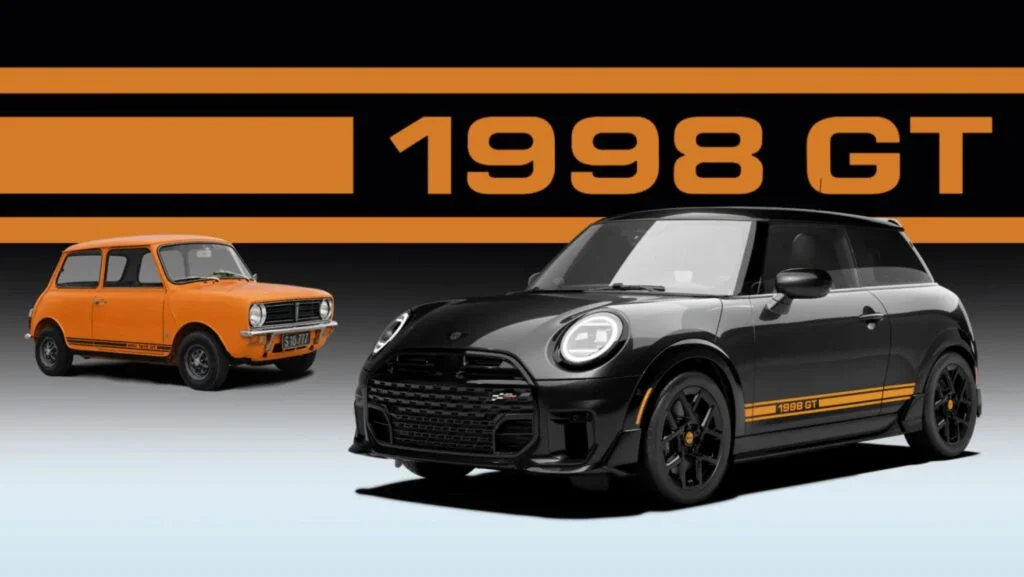
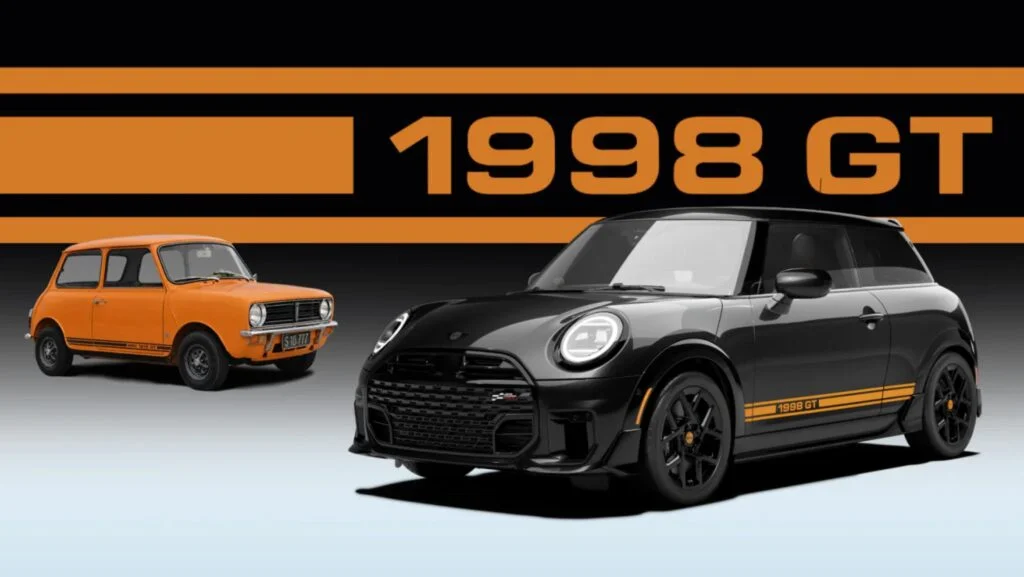
The latest Mini 1998 GT Edition has arrived, designed to catch the eye of enthusiasts while tapping into nostalgia without compromising on style. This special edition is built upon the Mini Cooper C platform, integrating elements from the John Cooper Works (JCW) line while retaining the base version’s 2.0-liter turbofour engine. It seems Mini is keenly aware of its loyal base, eager to cater to both nostalgia and contemporary design preferences.
Unlike how you might expect a model named after a sports term to perform, the 1998 GT Edition's engine outputs 161 horsepower—falling short of the more powerful Cooper S, which boasts 201 hp. The distinguishing feature of this model, however, lies in its aesthetic updates rather than performance enhancements. Buyers are left weighing design significance against raw power, a choice that reflects broader trends in the automotive industry where customers often prioritize looks and branding over sheer specifications. This model subtly contemplates, who is the Mini driver today?
The Mini 1998 GT Edition serves as a continuation of a story crafted over decades, weaving elements that appeal to both traditionalists and modern aficionados. Its naming convention recalls power displacement reminiscent of classic models dating back to the 1969 1275 GT. This connection resonates deeply within the Mini community, cultivating a sense of heritage. As Mini marches toward an ambitious schedule of eight themed releases set for 2026, this edition stands as the sixth in the Icon Drops series, amplifying excitement around the brand while showcasing a strategy that hinges on nostalgia mixed with modern flair.
Design Features
In terms of visuals, the 1998 GT Edition flaunts a striking Midnight Black Metallic paint, complemented by bold, attention-grabbing orange accents along the sides. The 1998 decals and dedicated GT emblems punctuate the look, enhancing its sporty credentials. This visual expression caters to a demographic that often views vehicles as an extension of personal identity. The vehicle also comes standard with 17-inch JCW Sprint Spoke alloy wheels, emphasizing its performance-oriented styling. Such design choices are not just aesthetic; they declare a certain lifestyle—one that appreciates both heritage and a contemporary twist.
Inside, the touches of craftsmanship continue with JCW Sport Seats crafted from sophisticated synthetic leather featuring a vintage knit design. This blend of modern and classic reflects Mini's intent to bridge gaps between eras, making it appealing to a diverse audience. Features like a heated steering wheel and paddle shifters add both luxury and functionality, while the exclusive 1998 GT badging appears prominently throughout the cabin. It transforms everyday drives into showcases of brand heritage, turning a routine commutes into something more significant—part history lesson, part excitement.
Performance and Pricing
Powering this edition is the same turbocharged 2.0-liter engine as in the Cooper C, generating 161 hp and 185 lb-ft of torque. A seven-speed dual-clutch automatic transmission negotiates power to the front wheels, ensuring a response that feels quick but doesn't quite deliver the vigor one might anticipate from a sports-themed model. While the GT variant doesn’t upgrade the engine, Mini has opted to enhance its handling dynamics with a sport-tuned suspension and improved braking systems curated through the JCW division. This approach signals an understanding that performance can mean more than just horsepower—it can also involve how the car feels on the road.
If you’re looking to add this model to your collection, it comes with a starting price tag of $36,875, not including a $1,350 destination fee. This pricing strategy positions it as a more exclusive option within the Mini family, being pricier than the Cooper S, which starts at about $32,800, but less than the JCW, pegged at approximately $38,900. For collectors or enthusiasts, this model may strike a balance between aesthetics and function, carving out a niche for those who value design and exclusivity over raw power.
Reservations are currently open, with first deliveries expected this fall. The Mini 1998 GT Edition clearly aims to draw in fans who are more inclined towards style and heritage than outright performance. However, the effectiveness of this blend remains questionable. Will this shift resonate with an audience used to more traditional metrics of automotive excitement? Time will tell. But one thing is clear: in a world driven by technology and raw speed, there’s still a passionate market for reminders of simpler times.
Implications and Future Outlook
The introduction of the Mini 1998 GT Edition signifies more than just a nostalgic callback; it illustrates the shifting priorities of car buyers and the automotive industry at large. As consumer preferences evolve, there’s a growing market for vehicles that deliver a sense of heritage without sacrificing modern conveniences and style. This model caters to buyers that find value in tradition, offering a glimpse into how manufacturers might blend legacy with contemporary design.
This approach prompts a broader question: What does the future hold for performance-driven brands like Mini? There's a balancing act at play—preserving brand identity while adapting to the rapidly changing tastes of a new generation. If you're working in this space, the Mini 1998 GT Edition is worth watching. This seemingly small-scale effort could be a litmus test for how effectively legacy brands can engage with both new and loyal customers—without losing the essence of what makes them special.

Discussion
Sign in to join the discussion.