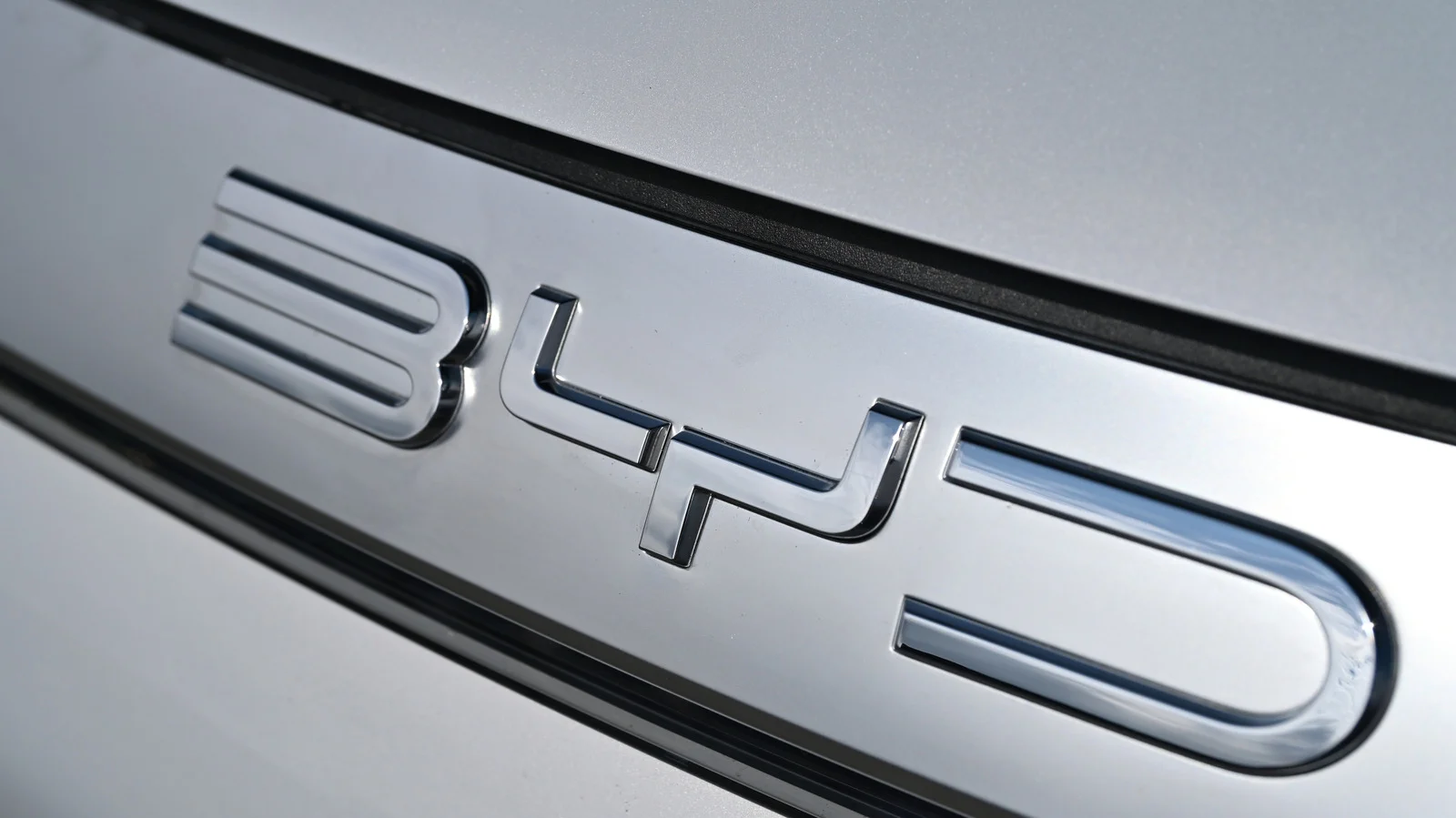
Kadena Air Base will turn away BYD cars, including taxis and delivery vehicles, amid concerns about the data their cameras and sensors could collect.
What the Kadena restriction covers
The restriction on BYD vehicles at Kadena Air Base points to a security concern tied to connected cars: their cameras and sensors may collect information around sensitive sites. Starting Monday, security staff at the U.S. installation in Okinawa will turn away BYD vehicles, including taxis, delivery vehicles and contractor vehicles, according to Yonhap and Anadolu Agency. That makes the measure broader than a rule for privately owned cars; it reaches vehicles providing routine services on the base, too.
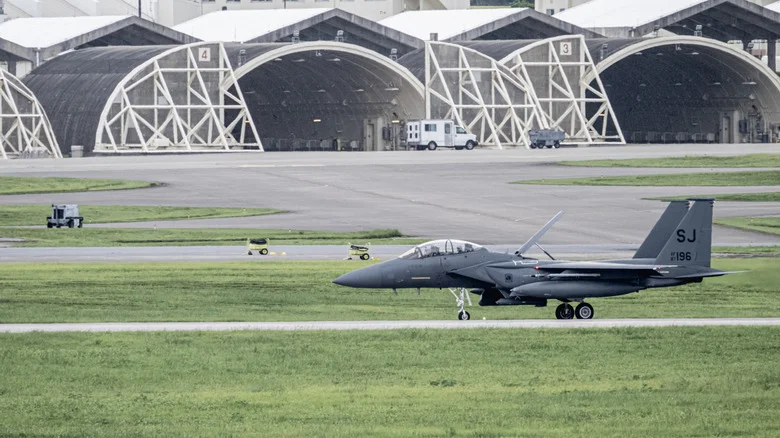
Kadena sits on Okinawa, about 1,000 miles southwest of Tokyo. Lieutenant Colonel Alli Stormer said the vehicles posed “an unacceptable and unmitigable risk to our personnel and our mission,” Reuters reported. Stormer didn’t specify what led to the decision. Reports point to concerns that vehicle cameras and sensors could record sensitive information on the base, though the public explanation leaves open which features or data practices prompted the assessment.
That gap matters. A security restriction can be operationally clear while the reasoning behind it remains difficult for outsiders to evaluate.
A wider concern about connected vehicles
BYD’s exclusion comes as the company already appears on a Pentagon list of firms it suspects of supporting China’s military. The document, updated in June, also names automaker Nio, Alibaba and Baidu, according to the reported list. That designation forms part of the context around the base’s decision, but the available account doesn’t establish that the list itself triggered the vehicle restriction.
Connected cars gather and process information through systems designed to assist drivers and manage vehicle functions. At a military installation, the concern is that sensors could capture details about the surroundings as cars move through the site. Similar systems can raise questions about what data is collected, where it goes and who can access it; the reporting here doesn’t answer those questions about the BYD vehicles involved.
The concern isn’t limited to the United States. China temporarily barred Tesla vehicles from some government sites in 2021, then lifted the restriction in 2024 after China-built Teslas met the country’s data security requirements. The episode shows how connected-car access can become a security issue even when a manufacturer operates in a different market. And this is the part most people overlook: access rules can turn on the data a vehicle might collect, not only on where it was designed or assembled.
BYD’s position in Japan
BYD is gaining ground in markets such as Europe, but it has made little headway in Japan, where it holds just 0.1 percent of the market, dominated by domestic brands. The company has introduced the Racco, an electric kei car, as it seeks to expand its appeal there. The base restriction doesn’t change that broader commercial picture directly, though it adds a security-related complication to BYD’s presence in a country where it’s still trying to build recognition.
For now, the Kadena decision is a targeted restriction at one U.S. base. Its practical effect is clear: BYD vehicles used for everyday services, as well as private travel, will be kept off the installation. The scope is narrow, but the rationale touches a larger question about how military sites handle ordinary vehicles equipped with cameras, sensors and networked systems.
What the decision could signal
This is more significant than it looks because the rule applies to the vehicles’ presence at a sensitive site, not just to a company’s sales or manufacturing plans. If you’re working in this space, the immediate issue is operational: service providers may need to account for vehicle restrictions when arranging access to the base. The source doesn’t say how those arrangements will change, or whether the same policy will be applied elsewhere.
Here’s the thing: connected-car security concerns are easier to state than to assess from the outside. Without a public explanation of the specific risk, readers can’t tell whether the decision reflects a particular technical finding, a broader policy judgment, or both. That said, the restriction sets a clear boundary for Kadena. For vehicles entering the installation, the result is simple. No BYDs.
Discussion
Sign in to join the discussion.