The upcoming Baby Defender integrates iconic design features with advanced electric and hybrid options, stepping up competition in the compact SUV market.
Reviving a Legacy: The Baby Defender's Return
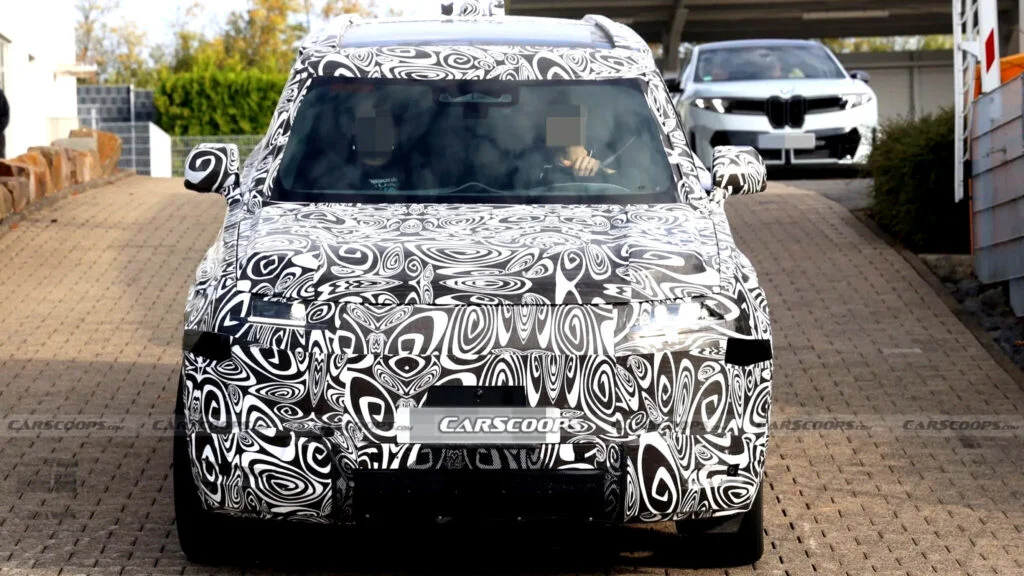
Land Rover's Baby Defender, often referred to as the Defender Sport, has reemerged in the automotive conversation, ignited by a recent series of spy shots that feature its recognizable silhouette cloaked in camouflage. What catches the eye this time around is the classic rear-mounted spare tire. This component isn't just a nod to nostalgia; it's a defining feature that helps distinguish the Baby Defender from a growing number of compact luxury crossovers that typically rely on tire foam canisters for emergencies.
This choice to feature a traditional spare tire serves a dual purpose: it pays homage to the rich heritage of the Defender line while also providing practical utility in a busy marketplace where convenience often trumps tradition. Many brands have opted to trim enduring design elements, focusing instead on eking out efficiency and saving weight in an effort to address modern environmental concerns. The Baby Defender, conversely, embraces its heritage, catering to both loyalists who appreciate the classic aesthetic and a younger audience that values authenticity.
Heritage Design Meets Modern Utility
The inclusion of the rear-mounted spare tire is more than a design choice; it reflects a deep-seated philosophy of merging classic Land Rover heritage with contemporary utility. As the auto industry becomes increasingly homogenized, where many manufacturers are scaling down for the sake of sustainability, Land Rover seems to be planting its flag. This move could be seen as a rebellion against trends that prioritize sleek designs and aerodynamic forms at the expense of personality and history.
Beneath its highly recognizable exterior, the Baby Defender is built on the EMA platform. This platform shares its architecture with the upcoming Range Rover GT, cementing Land Rover’s intent to offer both ruggedness and sophistication in a domestic package. The more upright profile is not just for appearances; it promotes spaciousness and versatility. Consumers looking for practicality, especially those interested in off-road capability, will appreciate the solid boxy design combined with straightforward lines and a squared-off rear. It channels the essence of the Defender without losing sight of the need for functionality.
Advanced Electrification with Hybrid Support
When examining the implications of Land Rover's EMA platform, it's essential to highlight its engineering for future technologies. The platform features an 800-volt electrical system that promises rapid EV charging, reflecting Land Rover's commitment to electric mobility. This is significant, especially in light of the carmaker's admission regarding the slower rollout of all-electric vehicles in crucial markets like the United States. The shift toward electrification is not just about meeting regulatory mandates; it’s an effort to align with the rising consumer demand for energy-efficient vehicles.
In a calculated pivot, Land Rover plans to offer hybrid options alongside its electric powertrains. This decision appears to be a direct response to the increasing popularity of hybrid models over purely electric ones. Consumers often seek the balance provided by hybrids: they combine traditional fuel engines with electric systems, giving drivers greater flexibility and alleviating concerns associated with range anxiety. For those invested in the compact SUV segment, this broadens the appeal of the Baby Defender significantly, indicating a strategic adjustment to reflect current purchasing trends and consumer preferences. It’s a smart move in a market that can be volatile and unpredictable.
Competing with Iconic Rivals
When the Baby Defender finally makes its debut, likely around 2027, it will not enter the market without formidable competitors. The automotive world will be watching closely, particularly as other brands like Mercedes unveil their smaller versions of the G-Class. This rivalry underscores an essential point for consumers: multiple brands are interpreting off-road capability through different lenses, presenting unique design philosophies and technological prowess.
Just a stone's throw away is China's Chery, also reviving the Freelander nameplate with a fresh approach. Contrasting with the Baby Defender’s attachment to traditional design elements, Chery’s modern Freelander veers away from the iconic rear-mounted spare tire, signaling its departure from conventions that have historically defined off-road vehicles. This juxtaposition emphasizes how the Baby Defender stands firm in its heritage while navigating contemporary design conversations.
This competition redefines consumer expectations about compact SUVs. The Baby Defender’s blend of nostalgia with modern utility might just be the winning formula to attract die-hard enthusiasts and fresh faces alike. If you're working in this space, watch closely; the interplay of tradition and innovation could set new benchmarks in what consumers seek in their vehicles.
The Implications and Future Outlook
As the automotive sector evolves under pressures from environmental regulations and shifting consumer tastes, the Baby Defender isn’t just another entry into a saturated segment. Its release signals a pivotal moment that might reshape how brands treat legacy models in the context of modern engineering. It merges heritage with functionality in ways that could influence design philosophies across the industry.
This dual approach of combining the old with the new could reinvigorate brand loyalty in a market where many high-profile names struggle to connect with younger drivers. There's an unspoken desire among consumers for authenticity; by embracing its roots, Land Rover may find success in an increasingly competitive space. The Baby Defender isn’t merely an homage to the past; it’s a strategic play toward the future, balancing tradition with the necessities of modern mobility.
The implications of its hybrid options and heritage design run deeper than mere aesthetics. They represent a broader trend that could redefine how consumers categorize compact SUVs. As more brands experiment with their identities—some sticking to tradition, others opting for radical shifts—Land Rover’s Baby Defender might well carve out a unique niche, appealing to a diverse audience that values both heritage and modernity.
Discussion
Sign in to join the discussion.