The BMW i3 50L impressively covers 754 miles on a single charge, but this version remains exclusive to the Chinese market.
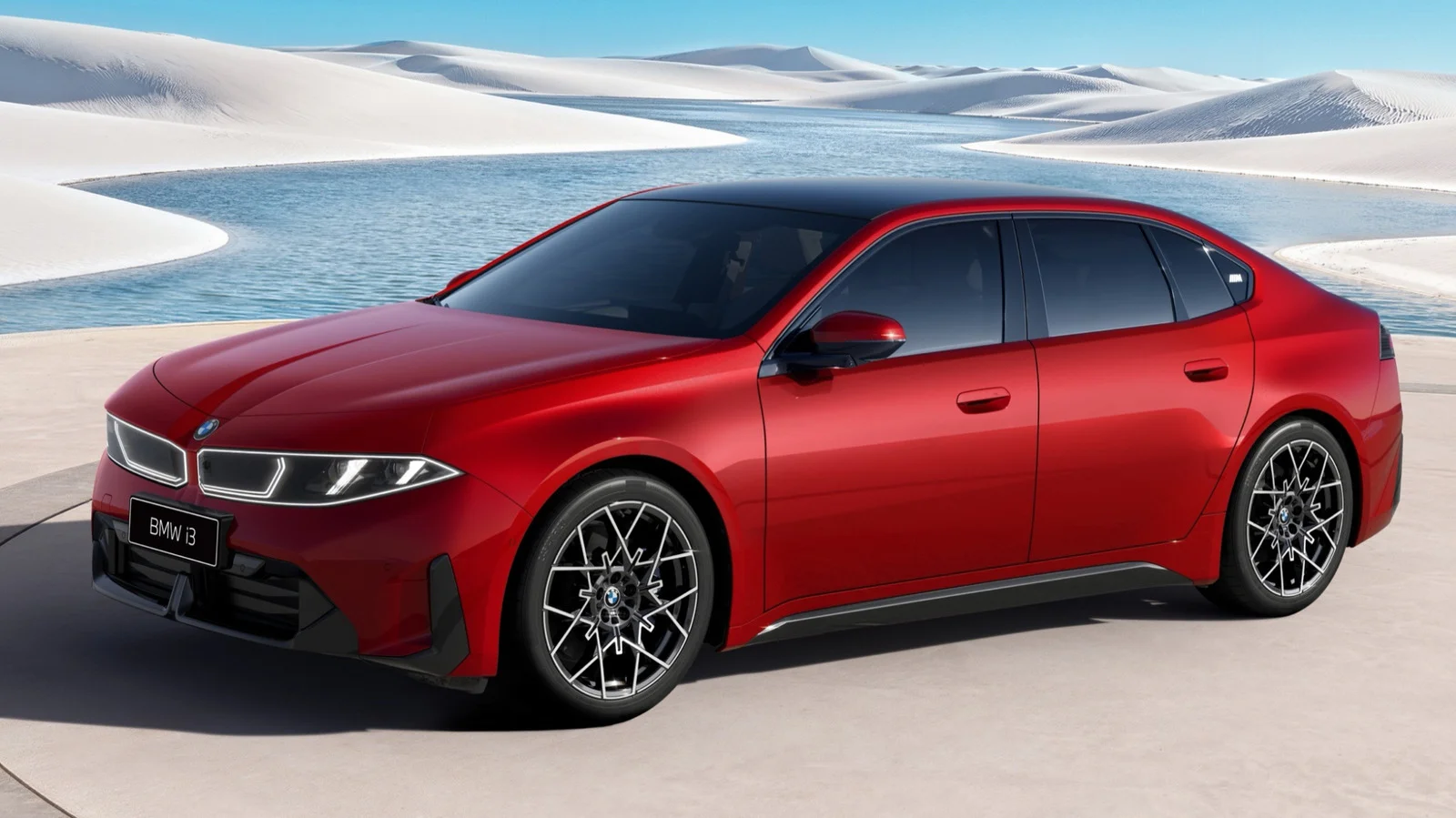
The BMW i3, now available in the U.S. and Europe, has garnered attention for its impactful performance, showcasing the brand's Neue Klasse architecture paired with impressive charging speeds. While it promises a range exceeding 400 miles per charge, it’s the i3 50L, specifically designed for the Chinese market, that has the automotive world buzzing with its extraordinary capabilities. This version recently achieved a remarkable 754 miles (1,213 km) during a long-distance endurance challenge, according to Car News China. However, it’s important to note that this model is not available to Western consumers.
Performance Insights: i3 50L's Endurance Testing
The i3 50L showcased its efficiency by arriving nearly empty, with just 1% battery remaining. This performance metric isn’t just a technical achievement; it indicates BMW's engineering prowess in pushing electric vehicle (EV) technology to new limits. When a vehicle can deliver such intense range performance, it challenges existing assumptions surrounding battery technology and efficiency. Initially, the i3 Long Wheelbase made a bold claim of more than 621 miles (1,000 km), leading many to suspect those figures were exaggerated. Yet, the i3's impressive endurance suggests that it might exceed even the most optimistic estimates on real roads, despite being a BMW test vehicle. The claim that the i3 operates at an efficiency of 8.8 kWh per 100 miles translates to a notable 7.06 miles per kWh or 238 MPGe.
Comparative Features: i3 versus i3L
One of the most striking contrasts between the i3 and the i3L lies in their battery capabilities. The Western i3 models lack access to the larger 113.4 kWh battery found in the i3 50L, which significantly impacts their range potential. Battery size directly influences how far an EV can travel, as well as charging frequency. Consumers who commute long distances will see this difference materialize in their daily lives. Additionally, the i3 50L adopts a different aesthetic, with unique door handles modified to comply with recent Chinese safety mandates—a detail that underlines how market regulations shape car design.
For context, the entry-level i3 in Europe, designated as the 40 xDrive, is equipped with a 369 horsepower dual-motor setup and an 82.8 kWh battery, promising a WLTP-rated range of 441 miles (710 km). The more upscale 50 xDrive improves performance with up to 463 horsepower, and drops the 0-60 mph dash to 4.7 seconds, while boasting a larger 108.7 kWh battery that claims a WLTP range of 567 miles (912 km). These specifications point to a category of electric vehicles that appeal to different consumer needs in their respective regions—performance-focused in the U.S. and Europe, while prioritizing range and efficiency in China.
So, why is the larger, high-capacity battery not available to customers in Europe and the U.S.? While BMW has not officially detailed the reasons, speculation centers on the i3L's extended length of 4.3 inches (108 mm) compared to its Western counterpart, likely tailored to meet the Chinese consumer preferences for rear legroom. This design might prevent the necessary space for housing the larger battery in the shorter i3 model. Car manufacturers often need to make trade-offs; in this case, it's a matter of regional preferences reshaping vehicle configurations.
Implications for the EV Market
The astonishing performance of the BMW i3 50L reinforces the growing expectations for EV capabilities, especially within markets that continue to adapt to the fast-evolving demands of electric mobility. But beyond numbers, there are important implications for BMW’s marketing strategy. If you’re working in this space, consider how the divergence between markets complicates the narrative surrounding EV efficiency. The performance metrics of the i3 50L might elevate consumer expectations globally, leading to scrutiny on other manufacturers. And this is the part most people overlook: when one brand sets a high bar, others are pressured to follow suit. Such competition drives advancements, but it also risks disappointment when some models inevitably underperform against embellished claims.
Looking ahead, there’s potential for significant shifts in the EV segment. The introduction of models tailored for specific markets reflects not just consumer preferences but also regulatory landscapes. As we see more automakers adapt their designs to regional expectations, the automotive industry could face growing internal divisions, which could either enhance choice or lead to fragmentation. This dynamic is essential for BMW and its competitors to stay agile and responsive to consumer demands. The stakes are higher in the EV sector, and brands should prepare for this fast-paced environment.
Discussion
Sign in to join the discussion.