A fire at a Fort Worth Cadillac dealership destroyed six electric SUVs, highlighting the challenges of extinguishing EV fires.
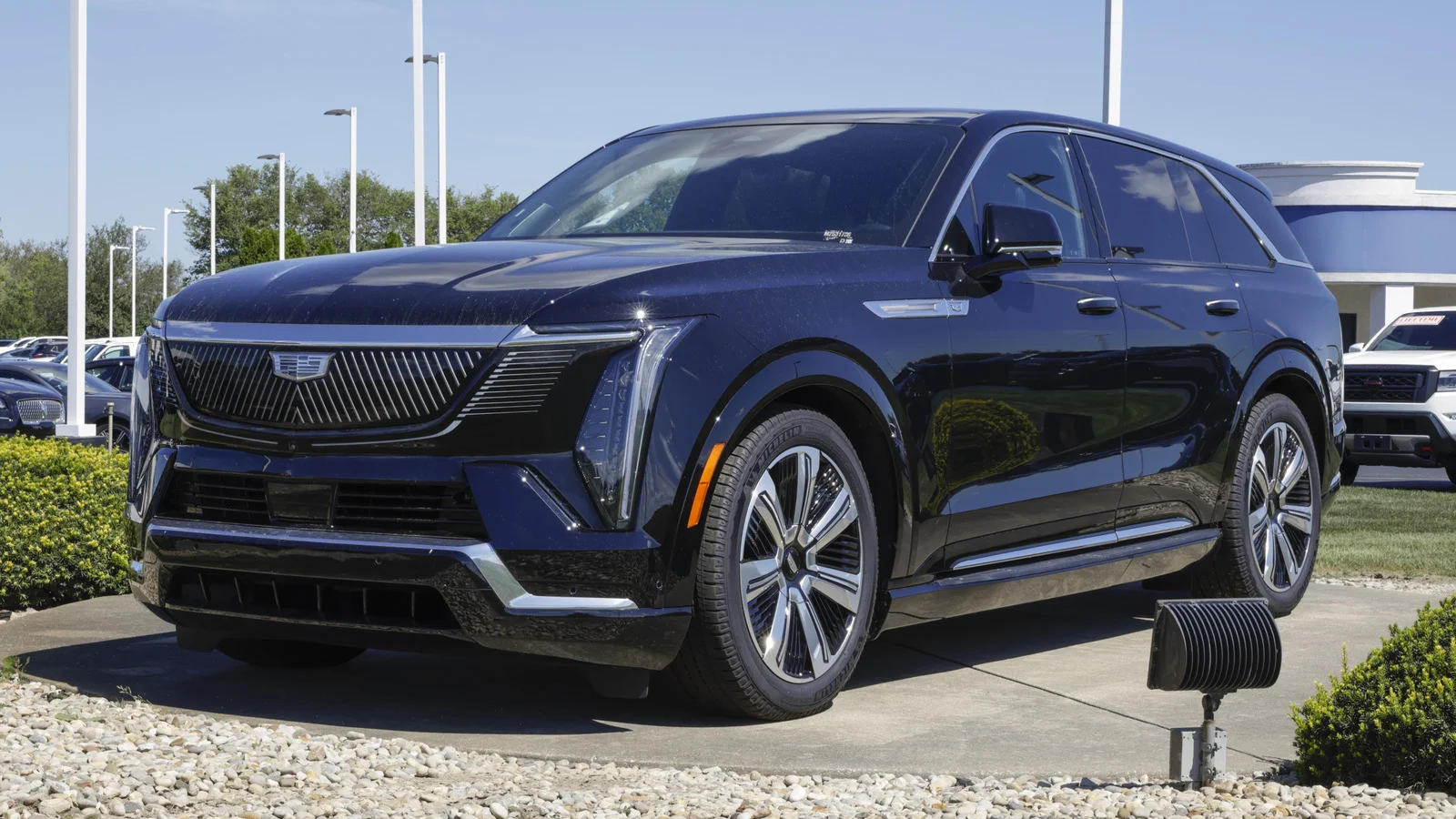
A significant fire at a Fort Worth dealership this week resulted in the loss of six all-electric Cadillac SUVs, notably the Cadillac Escalade IQ, which retails for over $127,000. This incident at Frank Kent Cadillac became a marathon for firefighters, taking nearly 18 hours to fully control, underscoring the complexities involved in managing fires involving electric vehicles. Stellantis recently sought a patent aimed at expediting battery removal from damaged EVs to improve firefighting efforts.
The Incident: A Deeper Look
The details surrounding the fire at the dealership are eye-opening. Firefighters faced an arduous task that not only tested their skills but also highlighted the unique challenges posed by electric vehicles. Unlike conventional cars, EVs are equipped with high-capacity battery systems that can behave unpredictably when exposed to fire. The extensive blaze at Frank Kent Cadillac serves as a reminder of the unforeseen challenges that can arise. While the exact origin of the fire hasn’t been disclosed by the Fort Worth Fire Department, it’s clear that this incident isn't merely an isolated event but rather part of a larger dialogue about the safety and handling of electric vehicles.
The media often sensationalizes incidents involving EV fires, suggesting that these vehicles are inherently more dangerous. Here’s the thing: while the images from the Fort Worth dealership might suggest otherwise, studies show that fires in electric vehicles occur less frequently than in traditional gasoline-powered cars. Overall statistics indicate that the rate of fires in EVs is lower, yet the nature of those that do occur can be markedly different in terms of intensity and duration. This incident serves to amplify an important conversation about public perception and safety.
Firefighting Challenges with Electric Vehicles
Photographs from the scene reveal the extent of the damage. The Fort Worth Fire Department has not disclosed the fire's origin but has indicated the difficulty of managing such a situation. The sealed nature of battery packs in electric vehicles means they can ignite and burn at much higher temperatures than conventional vehicles. Firefighters need specialized training to handle such situations effectively, and that’s an urgent issue for training programs going forward. If you’re working in this space, you know that standard firefighting tactics may not apply. The unique thermal dynamics involved in battling EV fires can prolong engagement times significantly.
What was emblematic of this particular incident is how it morphed from a daytime flare-up into an all-night battle against the flames. By extending well into the night, the firefighting effort became far more challenging than anticipated. Firefighters found themselves shuttling between vehicles, ensuring safety, and attempting to extinguish flames that refused to yield. Anecdotally, this is where many contribute to the misunderstanding about EV fire management. (And this is the part most people overlook.) Firefighters often have to innovate on the spot, adapting techniques that might work for standard vehicles but are less effective for battery-powered ones.
No One Was Injured by the Fire
To bring the inferno under control, firefighters had to deploy significant water resources and also utilized specialized materials like fire blankets that helped contain the flames while they moved nearby vehicles to safety. The entire event lasted approximately 17 hours and 33 minutes, indicating not just the scale of the effort but also the variously equipped resources firefighters need when facing such a volatile situation. The damage extended beyond the six electric vehicles; two additional cars were affected, raising questions about the fire's broader implications.
Miraculously, no one was injured during this ordeal. The quick response from local firefighters is nothing short of commendable. Frank Kent Cadillac publicly acknowledged their efforts via social media, emphasizing the importance of first responders in minimizing both the property damage and potential danger to the surrounding area. “We are incredibly thankful to our first responders for their professionalism and quick actions, which kept the fire contained and minimized damage to other vehicles and property,” their post stated. Such sentiments resonate beyond gratitude; they underscore the vitality of community safety protocols in place during emergencies.
Implications for the Future
The aftermath of this incident raises numerous questions about the protocols surrounding electric vehicle fires. As sales of electric vehicles continue to rise, the industry must grapple with safety challenges that are only just beginning to surface. While manufacturers are focused on advancing battery technology, they must also pay close attention to how their products interact with first responders during emergencies. Stellantis' recent pursuit of a patent for expedited battery removal is a clear signal that the automotive industry is aware of these pressing issues. Yet it begs the question—how quickly will these innovations be implemented across the board?
This incident is more significant than it looks. Beyond the immediate loss of vehicles, this fire serves as a wake-up call for the entire automotive sector. The ongoing evolution of electric vehicles means that both consumers and manufacturers must be educated about their potential risks. Training for firefighting professionals must evolve alongside vehicle technology, ensuring that everyone involved is prepared for incidents that could escalate quickly. As EV adoption continues, the industry has a responsibility to not only sell cars but also to ensure public safety is at the forefront of its innovations.
In summary, this fire incident isn’t just a local issue confined to Fort Worth. It amplifies broader discussions about electric vehicle safety, emergency response improvements, and the need for rigorous training for first responders. The challenges are real, and as electric vehicles become more integrated into our daily lives, the industry and the public must address them head-on to ensure safety on every front.

Discussion
Sign in to join the discussion.