Renault's enticing 8 Gordini concept, revealed at the Paris Motor Show, hints at a future electric sports car that embraces nostalgia and driving pleasure.
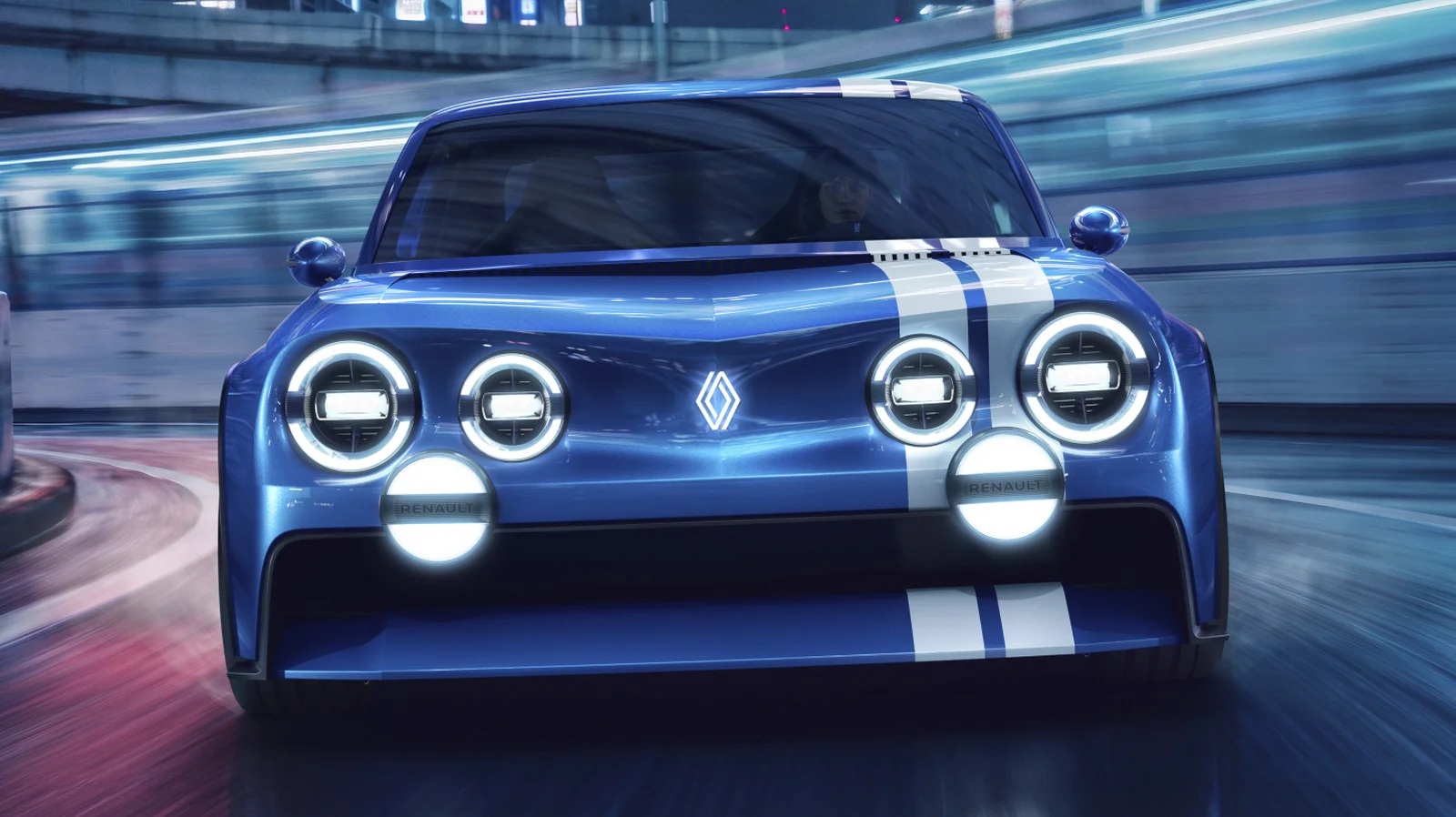
Renault is shifting gears in the electric vehicle market, aiming to infuse fun and personality into its lineup. Following the success of models like the 4 and 5 E-Tech, and the high-octane 5 Turbo 3E, the French automaker is now eyeing a production version of its captivating 8 Gordini concept, which debuted at this year’s Paris Motor Show.
Emphasizing Personality in EVs
Renault's decision to prioritize fun and personality as key attributes in its electric vehicles marks a significant shift in how automakers approach the EV segment. Historically, electric vehicle design has often favored practicality over excitement, potentially alienating traditional car enthusiasts. With the increasing competition from manufacturers aiming to capture not only eco-conscious consumers but also driving enthusiasts, Renault's strategy could resonate well. It’s one thing to sell a vehicle that helps reduce carbon footprints, but it’s another to evoke emotion, especially for drivers who cherish the joy of driving.
The 8 Gordini concept serves as a nod to Renault's rich heritage within the automotive sphere. The original 8 Gordini, a model celebrated in the 1960s, was a working-class hero, offering an accessible yet spirited driving experience. In resurrecting this nameplate, Renault aims to appeal to nostalgic drivers while introducing younger generations to the fun that can come with electric vehicles. It's a clever balancing act—reinventing classics while adapting to modern technology. This strategy positions Renault uniquely in the crowded EV marketplace, where personality often gets overshadowed by specifications.
The Design and Engineering Behind the 8 Gordini
Inspired by the legendary 8 Gordini from the 1960s, the concept takes the form of a sleek two-seater coupe, capturing the essence of retro automotive design with modern engineering finesse. This blend of old and new appeals not only to nostalgic sentiments but also strategically aligns with consumer trends that favor unique, aesthetically pleasing vehicles. While Renault did not commit to a production timeline during the unveiling, CEO Fabrice Cambolive expressed a willingness to explore the idea after fulfilling commitments to the 5 Turbo 3E’s delivery schedule.
The specifications for the 8 Gordini remain somewhat of a mystery. However, it’s noted that the presence of a rear-mounted electric motor generating 266 horsepower suggests it can deliver a dynamic driving experience without overwhelming its drivers. This is particularly important for a brand looking to cement its reputation for fun-to-drive vehicles in the electric landscape. For potential buyers who are car enthusiasts, modest horsepower can be appealing. Sometimes, less can be more, especially in a lightweight vehicle designed for agility rather than raw power.
There’s a continuous conversation in the automotive space about performance versus sustainability, and Renault appears to be championing a design philosophy that leans into the experience without losing sight of its electric identity. By potentially adopting the dual-motor electric powertrain from the 5 Turbo 3E, they could push performance boundaries. But, could this compromise the original Gordini's ethos of being a down-to-earth, accessible sports model? That remains to be seen.
Market Positioning and Consumer Appeal
Renault’s strategy to create a playful vehicle in the EV segment seems well-timed. As the market fills with options ranging from luxury electric SUVs to high-performance sedans, a playful, lightweight rear-wheel-drive coupe could be refreshing. Yet, capturing the attention of traditional car enthusiasts transitioning to electric requires a strong business premise. If you're working in this space, consider the importance of both performance and nostalgia—two elements that might attract traditional buyers who are understandably skeptical about making the leap to electric.
Roman Gauvin, Renault’s concept car chief, remarked, “The original 8 was a very humble car, a sort of working-class hero. We aimed to maintain that ethos in this concept.” This statement underscores Renault’s commitment to creating vehicles that resonate deeply with consumers rather than relying solely on technical specifications. The hope is to produce a vehicle that’s not just a means of transport but a source of joy, characterized by fun, agility, and nimbleness. What this means for you is clear: if Renault successfully marries affordability with spirited driving in an electric package, it could set a new standard for what consumers expect from electric vehicles.
The Future of the 8 Gordini Concept
Understanding the implications of Renault's direction in the electric vehicle market requires some critical analysis. The company's focus on emotion and personality could spark a trend that other automakers might feel pressured to follow. If Renault can prove that a playful driving experience in an electric vehicle can succeed financially, it might prompt rivals to reconsider their own approaches. And yet, there’s always the risk that appealing to nostalgia could be a double-edged sword—too much homage to the past might backfire if consumers find the vehicle lacks modern performance credentials.
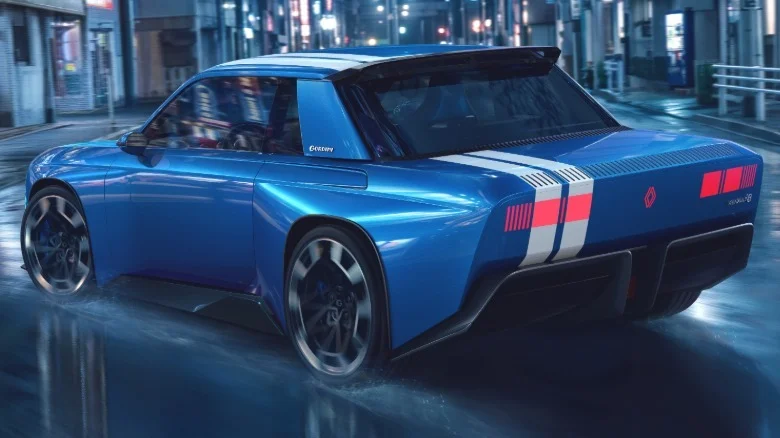
As the automotive community eagerly awaits Renault's next move regarding the 8 Gordini, one can only wonder: will this concept evolve into a production model that successfully marries nostalgia with modern electric capabilities? Or will it remain a fleeting moment of excitement, a mere concept that inspires without materializing? Regardless, Renault's ambitious approach is more significant than it looks, potentially paving the way for a new generation of fun-centric electric vehicles.

Discussion
Sign in to join the discussion.