Bentley's vehicles embody British craftsmanship, built in Crewe rather than Germany, despite Volkswagen's ownership.
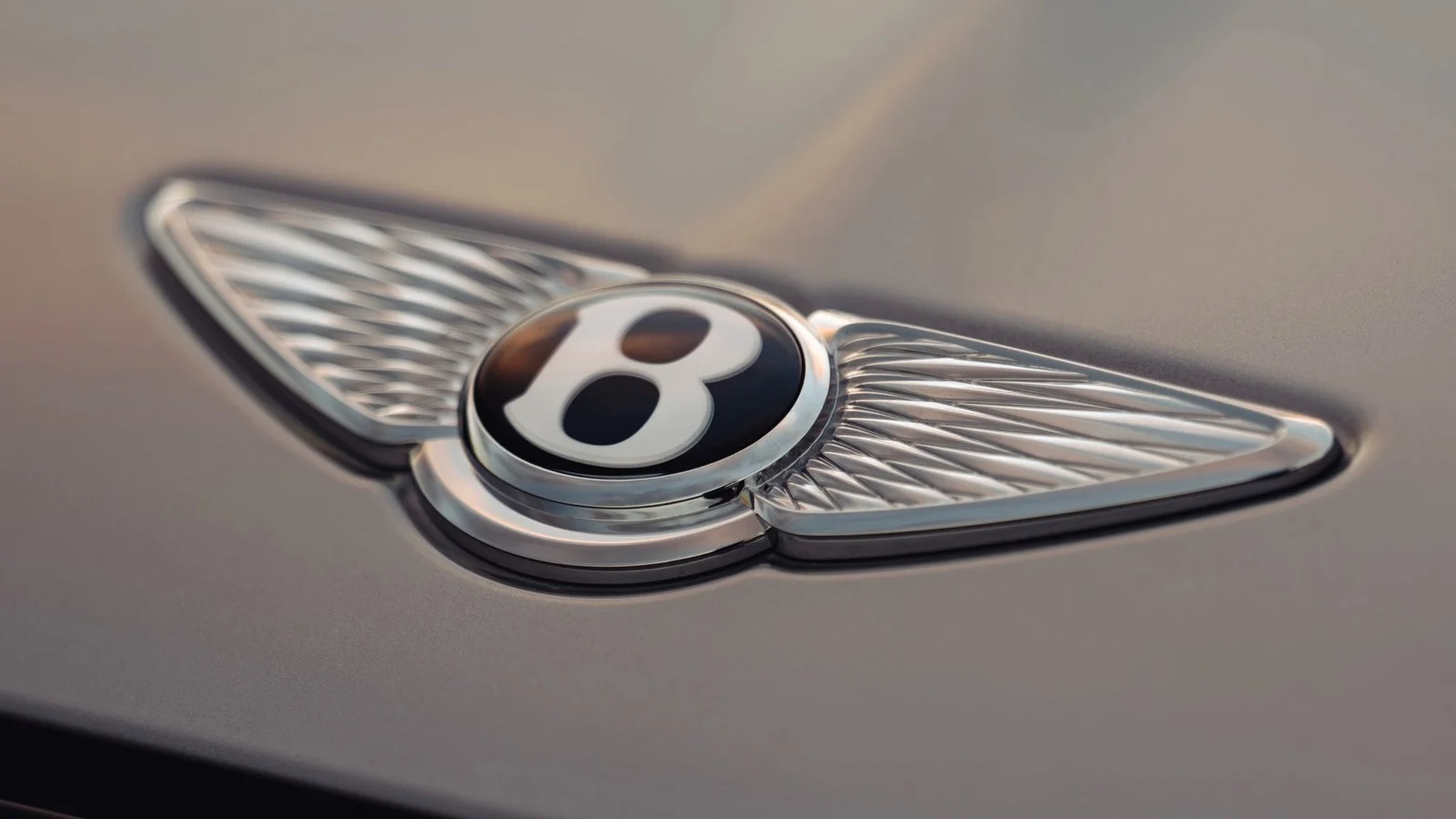
Bentley cars represent a unique blend of British craftsmanship and performance, anchoring their identity in the UK despite being under the Volkswagen umbrella. A debate persists among enthusiasts about the true nationality of the brand, particularly highlighting events that unfolded nearly three decades ago. This tension reflects broader concerns about identity and ownership in the luxury automotive sector, where lineage often intersects with modern globalization.
Founded in 1919, Bentley initially carved a niche in luxury high-performance vehicles, gaining prominence with its remarkable wins at the Le Mans race in the 1920s. This racing pedigree not only established Bentley as a formidable force in the automotive world but also embedded a legacy of performance in its brand ethos. However, the economic downturn in the late 1920s severely impacted the brand, leading to its acquisition by Rolls-Royce. For years, Bentley models relied heavily on Rolls-Royce components, often resulting in vehicles so similar that distinguishing between the two brands was challenging. Brand dilution was a genuine risk during this era. Yet, Bentley managed to maintain its identity through models like the 1952 R-Type Continental, which influences today’s Continental GT. This model is not just a relic; it's a testament to Bentley's ability to meld performance with timeless design.
Shifting Ownership: A Pivotal Moment
In 1998, the automotive industry saw a significant shift when Vickers, the owner of Rolls-Royce and Bentley, decided to sell. BMW was already supplying engines and aimed to gain full control, offering £340 million ($450 million). Volkswagen entered the fray with ambition, positioning itself to take over not just Bentley but also to control the iconic Rolls-Royce brand identity. The mere act of choosing between two automotive giants underscored the complex interplay of loyalty and commerce inherent in the luxury car market.
Volkswagen made a competitive offer of £430 million for Bentley and the Crewe factory in the UK, including the Rolls-Royce brand identity. Meanwhile, BMW had crafted an agreement with Rolls-Royce PLC, the aerospace division, to license the name under less favorable terms. This nuanced negotiation reflected the broader dynamics of strategic partnerships versus outright ownership in the auto industry. Ultimately, an agreement allowed BMW to produce Rolls-Royce models from a new factory in Goodwood, while Volkswagen took the reins of Bentley operations at Crewe. The repurposing of these two giants succeeded in perpetuating a strong link between the rich heritage and modern production. Many enthusiasts view this split as both a loss and a reset, sparking debate about brand identity that persists today.
Production at Crewe with a Hint of German Influence
Today, every Bentley model, from the Bentayga SUV to the Batur Convertible, is manufactured in Crewe. However, there have been instances where select models, such as the Flying Spur during peak demand, utilized Volkswagen's Dresden factory to meet customer needs. This practice highlights the balancing act automakers face in responding to demand while maintaining brand integrity. It's a pragmatic solution that reflects the realities of modern manufacturing.
German Technologies, British Artistry
Despite its British production location, Bentley vehicles do incorporate a level of German engineering, a byproduct of Volkswagen’s expansive supply chain. The Bentayga shares a platform with the Porsche Cayenne, while the Continental GT and Flying Spur utilize architecture from the Porsche Panamera to enhance performance. This crossover of engineering expertise isn’t merely a testament to efficiency; it represents a blending of two distinct automotive philosophies that can either enhance or dilute brand identity.
Some components, including the 3.0-liter V6 and 4.0-liter V8 engines, as well as body shells, are sourced from German manufacturers. What genuinely sets a Bentley apart are the finishing touches and craftsmanship that occur in Crewe. Here’s the thing: the real artistry is often found in the details. The facility recently underwent a significant £350 million ($463 million) modernization, introducing a state-of-the-art paint shop and a new engineering center, further cementing Bentley's commitment to maintaining its storied British legacy. Operating under Audi within Volkswagen's structure since 2021, Bentley remains dedicated to its roots, blending modern engineering with traditional British luxury.
Implications and Future Outlook
The journey of Bentley, from its iconic British roots to its current status as part of the Volkswagen Group, illustrates a significant narrative about globalization's effect on luxury brands. The intertwining of British craftsmanship with German engineering signifies both a confluence and a potential conflict between tradition and modern efficiency.
If you're working in this space, consider how this affects perception: many luxury consumers seek authenticity, yet practicalities often push automakers to seek efficiencies that may blur lines. As Bentley continues to innovate and adapt, the challenge will be to appease traditionalists while attracting a younger, more global audience. Will the allure of British craftsmanship endure, or will the practicalities of modern engineering eventually overshadow it? The answer remains to be seen, but for now, Bentley’s legacy and future are inherently tied to the ongoing dialogue about identity and quality in the luxury automotive market.
Discussion
Sign in to join the discussion.