Discover the significant distinctions between engine overhauls and rebuilds, along with insights on performance expectations for each option.
When the time comes to address the engine of a classic vehicle or an aging car, the terms "engine overhaul" and "engine rebuild" can bring on a sense of anxiety. While both processes imply significant work, they serve distinct purposes and apply to different scenarios. Whether your goal is to preserve the integrity of a cherished model or to maintain a reliable daily driver, understanding these differences is critical.
Defining Overhaul and Rebuild
An engine overhaul generally refers to a partial restoration of the engine, most often performed without removing it from the vehicle. This can involve actions like replacing gaskets, piston rings, and washers, along with cleaning the engine head and block. The work might include flushing out oil and coolant passages and refreshing auxiliary tanks, which can help restore some of the engine's original functionality. Given its selective approach, an overhaul is often regarded as a maintenance activity; it preserves existing components while keeping the maintenance records intact, allowing owners to manage the longevity of their vehicle effectively.
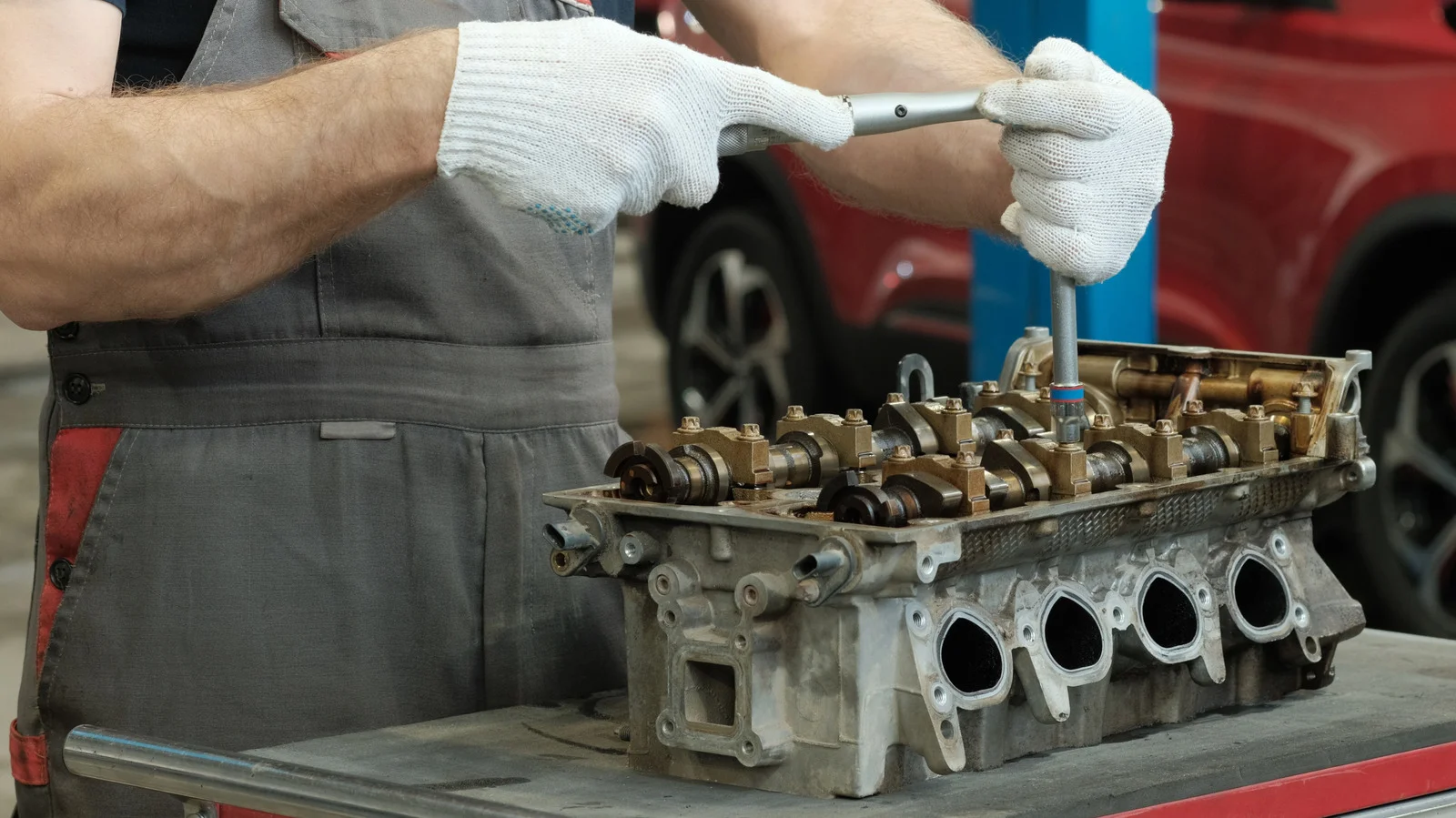
On the flip side, an engine rebuild necessitates removing the engine from the vehicle and placing it on a workbench. This process is thorough and meticulous, as every component is scrutinized, cleaned, and either repaired or replaced with new parts. Typically more expensive than an overhaul, the rebuild aims for 'like-new' functionality. Activities in this domain may include reboring the block and polishing or replacing damaged parts, essentially piecing the engine back together as if it were new. This process takes more time and effort but results in a more reliable engine, especially when you consider the age and wear on components that might not be visible in an overhaul.
Choosing Between Overhauling and Replacing
The choice between an engine overhaul and a full engine replacement boils down to the condition of the engine and its history. If you have detailed maintenance records indicating good care, you might only need a thorough overhaul, which can be a cost-effective solution. Yet, if the engine's history is a mystery or shows signs of serious internal damage, a rebuild or complete replacement often makes more sense—especially when considering future reliability.
Your decision also depends on the severity of potential structural issues, such as damage to the crankshaft or connecting rods. In cases where foundational components have sustained significant damage, a mere rebuild won’t suffice—it’s likely that a complete replacement might be necessary. Such deep-rooted issues often signify that the engine's integrity is compromised, which can lead to further complications down the line.
The Long-Term Perspective
For those wondering if an overhauled engine can perform as effectively as a new one, the answer isn't straightforward. While an overhaul can effectively restore performance and improve fuel efficiency, it won't necessarily deliver the reliability or peak performance of a brand-new engine. The nuances in wear and tear become evident here, and that's something most owners overlook in favor of immediate cost savings. For many classic vehicles, sourcing a brand-new powerplant may not be feasible, making overhauls a practical choice for longevity, especially from a cost-benefit perspective.
If you’re working in this space, you might appreciate that many enthusiasts opt for overhauls as a step toward preserving the charm and character of their older vehicles. Sure, a rebuild may provide that pristine, factory-fresh feel, but overhauls allow for a balance between performance and preserving the vehicle’s history. Owners often prize the originality of components that remain intact, which can further enhance the vehicle's value.
What this means for you, whether you are restoring a classic ride or keeping an everyday driver functioning, is that understanding the key differences between overhauls and rebuilds is essential for making an informed decision. You can often restore a vehicle's performance with an overhaul, but if your aim is to achieve 'like-new' status, investing in a completely rebuilt engine might be the best path forward.
Future Outlook: Trends in Engine Restoration
The future of engine restoration holds significant challenges and opportunities. With advancements in technology, particularly in electric vehicles, many traditional mechanics are recognizing a shift in focus. The classic car community might see a decline in traditional engines, triggering a transition toward electric conversions. That said, there’s still a passionate market for classic engine restoration, especially among collectors.
Moreover, the skills for both overhauling and rebuilding engines need to be preserved as more mechanics turn to software diagnostics and modern engines. This is where you see an intriguing blend of old and new. The manual skill to rebuild a classic engine could become a niche expertise, becoming more valuable over time.
In light of these trends, the decision to overhaul versus rebuild could evolve. This will hinge on how well enthusiasts adapt to new technologies while still valuing the traditional methods of car maintenance. The road ahead for engine care will likely be paved by those who recognize the importance of both heritage and innovation in automotive engineering.



Discussion
Sign in to join the discussion.