The SRT badge, representing Street and Racing Technology, has a rich history within Stellantis, symbolizing high-performance engineering and powerful models.
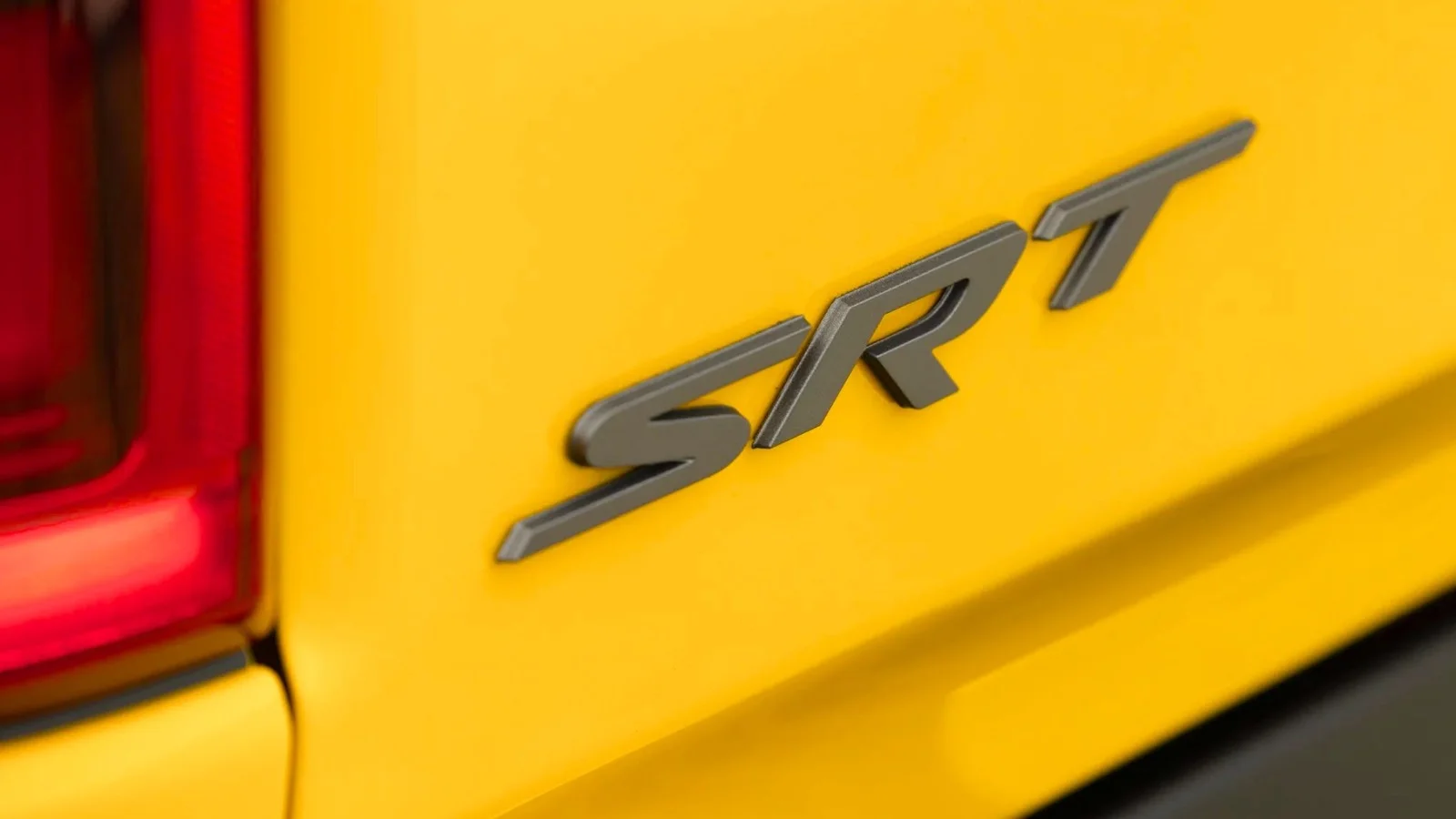
Every major automotive brand known for horsepower, including Stellantis’ Dodge, Ram, Chrysler, and Jeep, has a performance-oriented sub-brand. The SRT badge, prominent on many of their models, stands for Street and Racing Technology. It’s more than just a label; it encapsulates a legacy rooted in performance and engineering excellence.
Historical Roots of SRT
The SRT identity traces back to the 1980s, originating from the birth of the Dodge Viper. This era marked the initial collaboration of performance-focused teams within Chrysler, leading to the establishment of Specialty Vehicle Engineering (SVE). This division aimed to build vehicles which not only highlighted raw power but also cutting-edge engineering. In time, SVE evolved into Performance Vehicle Operations (PVO), which was tasked with the same vision, before officially adopting the SRT designation in 2004. This transition wasn't just a rebranding; it indicated a formal commitment to enhance performance across the board. Since then, SRT has become synonymous with improvements in power, braking, and handling across various models, setting a high benchmark in the performance automotive segment.
Diversifying Performance: The Sport Compact Era
The first vehicle to don the SRT badge was the 2003 Viper SRT-10, showcased as a concept at the 2001 Detroit Auto Show. Shortly after this launch, the Dodge Neon SRT-4 emerged, showcasing SRT's commitment to sport compacts. With its turbocharged 2.4-liter engine producing 215 hp, the Neon turned heads, proving that performance could come in practical forms. The importance of this model can't be overstated; it demonstrated that SRT was willing to expand its definition of performance beyond muscle cars and into smaller, everyday vehicles. It helped bring a new generation into the performance conversation, allowing younger drivers to experience horsepower without needing a luxury budget.
Transforming Workhorse to Speed Demon
In a surprising twist, the SRT label expanded to trucks with the debut of the 2004 Dodge Ram SRT-10. Merging the capabilities of a full-size pickup with the heart of a Viper, this beast packed an 8.3-liter V10 engine that generated 500 hp, achieving speeds of 155 mph. At the time, this was a radical concept: a truck that could not only haul but also outrun many sports cars. It earned the Guinness World Record for the fastest production truck, solidifying its place in automotive history. This shift significantly altered public perception of what trucks could be, blurring lines between traditional utilitarian vehicles and performance machines.
A V8 Legacy
At the core of many SRT models lies the V8 engine—a hallmark of American muscle. The 2005 Chrysler SRT8 was the first to pair the badge with a Hemi V8, showcasing a 6.1-liter engine that produced 425 hp. This engine setup became a recurring formula for success, appearing in models like the Dodge Magnum SRT8 and Challenger SRT8, along with further extensions into the Jeep Grand Cherokee. The adoption of the Hemi in SRT vehicles not only emphasized raw power but also served as a marketing point reflecting American automotive tradition, lending significant nostalgia while enticing performance enthusiasts.
Powering Up with the Hellcat
In 2015, SRT synthesized audacity and power with the launch of the Challenger SRT Hellcat, featuring a supercharged 6.2-liter Hemi V8, initially delivering 707 hp. The Hellcat name plate quickly became a symbol of unrestrained power, with the numbers continuing to scale over the years, even reaching an astonishing 1,025 hp with the 2023 Challenger SRT Demon 170. However, just as SRT was hitting its stride, the team was disbanded, leaving the Dodge Durango SRT as the last banner carrier for a time. This dissolution raised concerns about the future of performance within the brand, as many enthusiasts feared that the identity synonymous with muscle might fade.
The Resurgence of SRT
Despite the dissolution of SRT, Dodge and Ram's leader, Tim Kuniskis, resurrected the SRT brand in 2025, promising a fresh wave of performance models. Since the revival, we've witnessed the launch of models like the Ram 1500 Rumble Bee SRT with a 777 hp Hellcat V8, signaling that high-performance vehicles were back on the table. The future holds great promise, with plans for a Jeep Wrangler Scrambler SRT, a Dodge Charger Hellcat, a Dodge GLH SRT hatchback, and even a Dodge Copperhead SRT coupe as the flagship model. If you're working in this space, this revival may point toward a renewed interest in performance-oriented driving that could rival what we've seen in the past.
Implications for the Automotive Industry
The SRT badge remains a powerful symbol in the automotive world. But its revival raises important questions about the direction of performance vehicles in a market increasingly leaning toward electrification. Manufacturers are pressured to innovate, not just in terms of raw horsepower but also in efficiency and sustainability. Moreover, as competition in the performance sphere heats up, established players like Stellantis must innovate to maintain market relevance. There's also the rising trend of electric performance vehicles, which are beginning to show that speed doesn't have to leave a carbon footprint. This is more significant than it looks; the automotive industry stands at a crossroads, and the survival of brands like SRT may depend on their ability to adapt while staying true to their high-performance roots.
Discussion
Sign in to join the discussion.