The redesigned Hyundai Kona embraces a traditional crossover aesthetic, moving away from its quirky predecessor while offering new powertrain options.
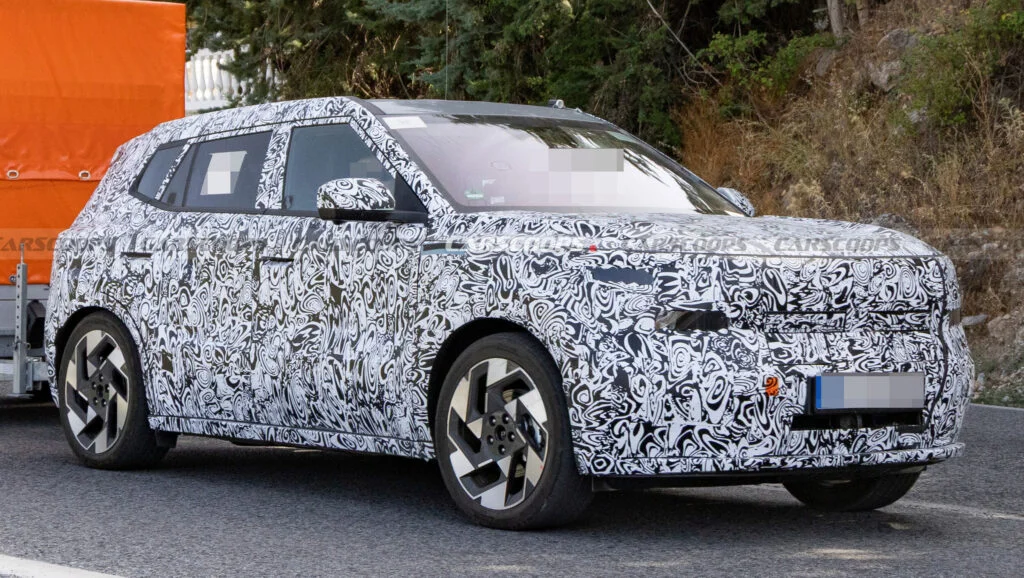
The third-generation Hyundai Kona is shedding its distinctive quirks in favor of a more conventional crossover design, revealed in recent spy shots that feature an appealingly rounded silhouette. This substantial redesign appears to align more closely with mainstream crossover expectations, indicating significant changes for the model. Critics of the previous generation often cited its quirky aesthetics as a barrier to wider acceptance, and it's clear Hyundai's designers have taken those sentiments to heart.
Visual Updates and Design Language
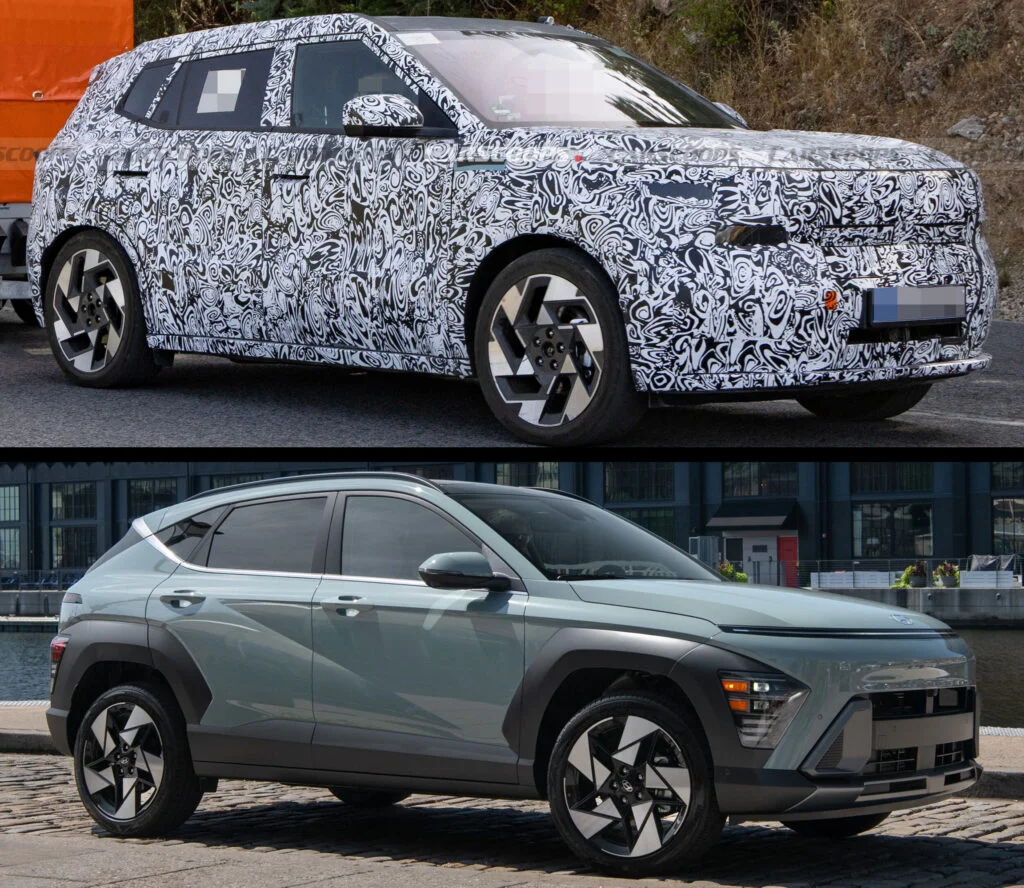
Further details of the prototype showcase mid-mounted headlights and a distinctive active shutter grille featuring segmented slats, giving the car a dynamic front appearance. A wide lower intake along with an assertive front lip contributes to a sporty presence. These elements suggest a conscious effort to create a more cohesive and appealing exterior design. This mirrors trends seen across several manufacturers, where the goal seems to be a more uniform look that appeals to a broader audience.
While the prototype resembles previously leaked images, it’s clear there are noteworthy variations. Notably, the flush-mounted door handles provide a sleek touch that minimizes wind resistance, a small detail that can enhance both aesthetics and aerodynamics. The upward sweeping beltline adds a sense of energy and motion, potentially drawing in younger buyers looking for a fashionable vehicle. The roofline is notably angular—a departure from the overly rounded profiles of the past—lending the model a modern silhouette. Aerodynamically optimized wheels aim to enhance practical performance, another consideration that reflects the ongoing consumer demand for efficiency and style.
Rear Design Enhancements
At the rear, the Kona departs from its predecessor's missteps, fulfilling more mainstream expectations with a sleeker angular rear window paired with an eye-catching spoiler. The revised model boasts a wider liftgate, which could improve accessibility for everyday use, especially for families. The more rounded bumper cleverly conceals the exhaust, presenting a cleaner look that's in line with current design trends. These adjustments not only improve the visual appeal but also enhance functionality, showing Hyundai's commitment to usability alongside aesthetics. This is where many competing models fall short—prioritizing style over practicality.
Interior Features and Technology
While interior specifics are still under wraps, the new Kona is expected to feature a minimalist cabin design, highlighted by Hyundai's latest Pleos Connect infotainment system. Anticipated display sizes may range from 12.9 inches to an impressive 17 inches, promising an updated in-car tech experience that rivals some of the more luxurious options in the market. If you're working in this space, you know that a user-friendly interface and high-resolution displays are becoming non-negotiable features for consumers.
This move toward a sleek interior also reflects changing consumer preferences, where clutter and overly complex systems are less desirable. Instead, drivers are looking for intuitive controls and integrated technology that enhance rather than distract from their driving experience. The cabin's design is likely to include high-quality materials and finishes aimed at elevating the overall feel without crossing into premium price territory.
Engine Options and Performance
Under the hood, the Kona is posited to inherit a turbocharged 1.6-liter four-cylinder engine, which could be shared with the upcoming 2027 Kia Seltos. This engine is projected to deliver 190 hp (142 kW / 193 PS) alongside 195 lb-ft (264 Nm) of torque, making it a compelling option in the competitive crossover market. Engine performance remains a key selling point for compact SUVs, where consumers are looking for a balance of power and fuel efficiency.
In addition to gasoline options, a hybrid variant is likely to be part of the lineup. This model would utilize a similar 1.6-liter engine combined with an electric motor, promoting enhanced efficiency which is increasingly on consumers' radars. With hybrid technology growing in acceptance, the expected combined output could reach about 147 hp (110 kW / 149 PS), further solidifying the Kona’s appeal to environmentally conscious drivers. This demographic is significant enough that its focus on sustainable vehicle options could very well skew manufacturers' decisions moving forward.
Implications for the Future
As Hyundai prepares to launch the redesigned Kona, the shifts in design and performance indicate a strategic pivot meant to broaden appeal while addressing some criticisms of the previous model. By aligning more closely with consumer expectations, Hyundai is not only investing in the Kona's immediate success but also steering its brand towards a future rooted in versatility and accessibility. The moves they're making could redefine the Kona's positioning in a crowded crossover segment.
And yet, the question remains: will this design overhaul successfully engage an audience previously turned off by the Kona's unique styling? The continuation of hybrid options might attract a segment of buyers, but will it reassure them about performance and driving experience? Only time will reveal whether these advancements translate into significant market share in a competitive space.
This strategic choice might influence other automakers, making it more apparent that eccentric designs must balance style with practicality to win hearts (and wallets). The implications extend beyond just the Kona—it signals a subtle shift in the automotive industry, where consumer expectations are shaping design and innovation.

Discussion
Sign in to join the discussion.