Formula 1 is set to return to Africa in the early 2030s with a new Grand Prix in Rwanda, marking its first race on the continent since 1993.
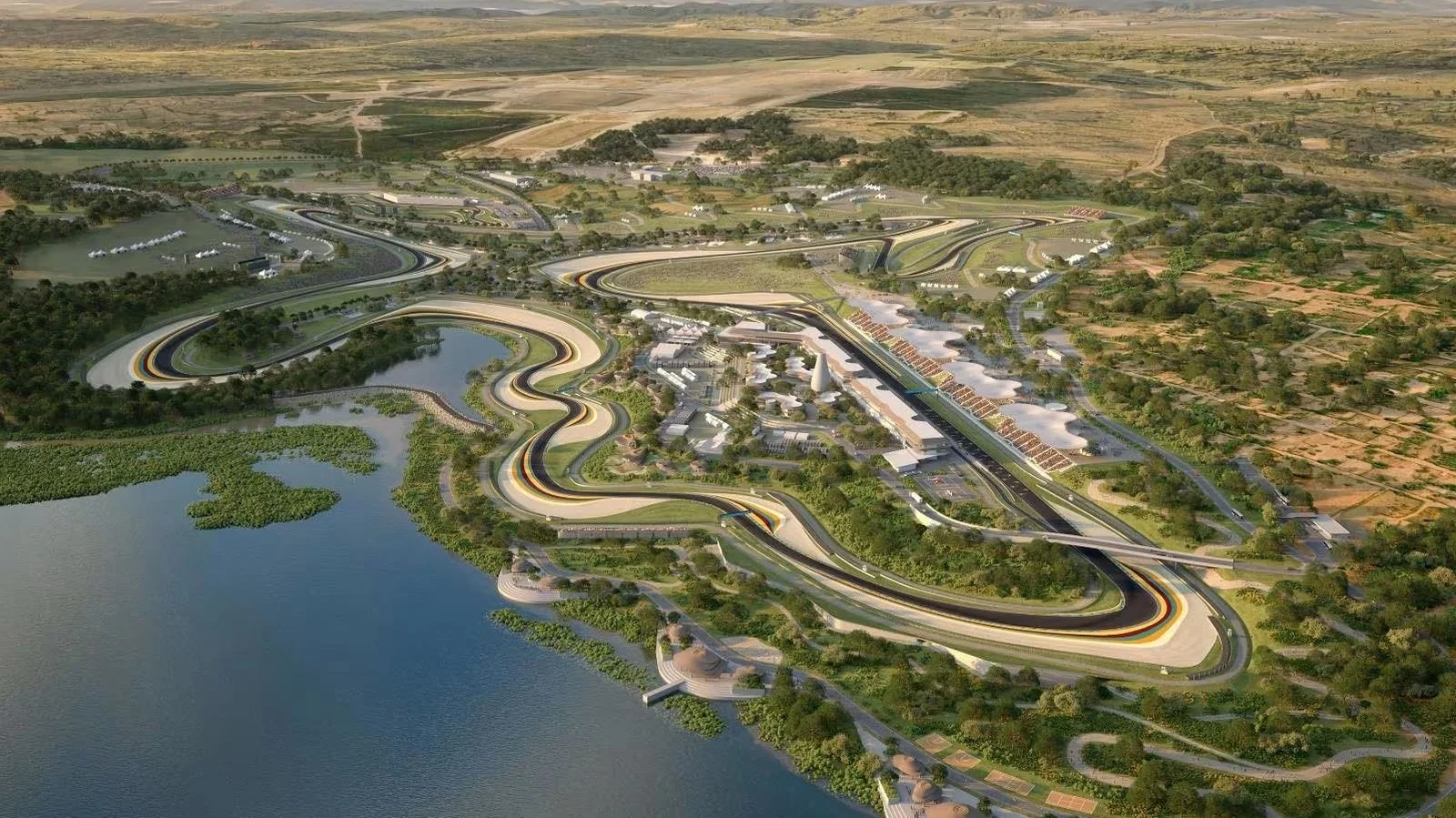
After almost three decades, Formula 1 is poised to return to Africa with the inaugural African Grand Prix scheduled to take place in Rwanda. While many expected the series to choose the more familiar Kyalami circuit in South Africa, F1 surprised fans by signing a 10-year agreement to race in Bugesera, a developing area situated approximately 40 km south of Kigali, Rwanda's capital. This decision reflects F1's ongoing strategy to expand its reach and increase global viewership, particularly in underrepresented regions.
Rwanda, a nation of over 14 million people, currently lacks a suitable racing circuit for F1, prompting the construction of a new track as part of this partnership. The circuit will be built near Bugesera and Kigali International Airport, showcasing an ambitious commitment to bringing global motorsport to this East African nation. This move highlights the rapid infrastructural development taking place in Rwanda, which is often recognized for its progressive governance and significant investment in public projects.
Track Design and Features
The racetrack will be co-designed by former F1 racer Alexander Wurz and track designer Carsten Tilke, who has previously collaborated on notable circuits within the current F1 portfolio. Notably, this new track will boast the highest elevation gain among all existing F1 circuits and will feature 17 corners to challenge drivers. That attention to design intricacies suggests a focus on not just the racing experience, but also on creating a venue that showcases the natural beauty of Rwanda’s landscape.
Wurz has already simulated the track layout, ensuring that it meets the rigorous demands of Formula 1 racing. Its innovative design reflects not just the geographical attributes of Rwanda but also the sport's aspirations to broaden its appeal globally. From the perspective of F1 fans, the anticipation for this new track must be substantial—what does racing through such diverse terrains mean for the racing experience? (and this is the part most people overlook) More elevation changes typically make for thrilling races with unpredictable outcomes, which is precisely what the sport thrives on.
Looking Towards the 2030s
The African Grand Prix is expected to debut in the early 2030s. However, precise dates for the event remain undetermined, as F1 management adopts a cautious approach to scheduling this race. The cautious stance may stem from past experiences, such as the Vietnamese Grand Prix, which was dropped after significant investments in infrastructure. Formula 1 has learned the hard way that investing in a new market doesn't guarantee race day excitement or public interest, both vital for success.
In a statement, F1 President and CEO Stefano Domenicali called this a landmark moment for the organization. He emphasized how Rwanda's inclusion on the calendar brings the championship to fans across every inhabited continent, enhancing F1's global presence. This strategic decision underscores Formula 1’s recognition of Africa as an untapped market rich in potential viewership—something every major sporting league strives for these days.
A Future Elevated in Motorsport
Lewis Hamilton, a prominent advocate for racing in Africa, expressed his excitement about the eventual event. Having campaigned for an African Grand Prix for several years, he hinted at possibly delaying his retirement to participate in this historic race. Hamilton's backing is significant. His voice carries weight, especially among fans and sponsors alike, emphasizing the growing momentum behind this initiative.
As preparations unfold, the African Grand Prix is set to not only revive interest in F1 on the continent but also to symbolize a growing recognition of Africa in the international motorsport community. The inclusion of Africa might not just create new fans; it might pave the way for home-grown talent to emerge. If you're working in this space, that means we could be on the brink of discovering new drivers who could one day compete at the highest levels.
Implications and Future Outlook
The unfolding situation with the African Grand Prix raises questions about the future of motorsports both in Africa and globally. As a region historically overlooked by F1, Africa's inclusion signifies a potential shift in how motorsport is marketed. It’s not just about reaching new audiences; it’s about fostering local interest, talent, and even tourism based around events.
While the excitement surrounding this decision is palpable, maintaining the momentum will be key. Successful execution hinges on significant investments in facilities and local promotion. The risks, particularly after previous attempts to enter the market, make it clear that F1 must proceed with caution. One misstep could result in a lost opportunity for a continent brimming with potential.
If nothing else, the African Grand Prix could serve as a litmus test for F1's global ambitions. Other leagues will surely be watching how this plays out, as they also consider entering underrepresented markets. Will Formula 1 be able to navigate the challenges and capitalize on this unique opportunity? Time will tell, but one thing is certain: the racing world is undoubtedly watching Rwanda as it gears up for this monumental step into the future of international motorsport.


Discussion
Sign in to join the discussion.