The IIHS's latest findings highlight serious shortcomings in crash avoidance systems for heavy-duty trucks and vans, raising safety concerns.
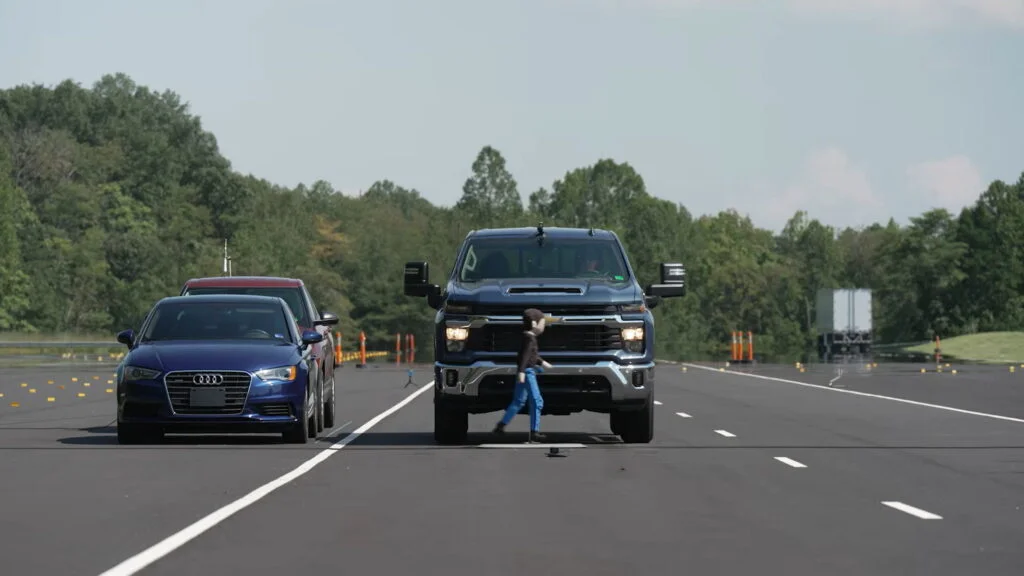
Recent evaluations by the Insurance Institute for Highway Safety (IIHS) have highlighted troubling safety issues for heavy-duty trucks and cargo vans—an area often overlooked in safety assessments. A study involving 11 commercial vehicles, comprising four Class 3 pickups and seven cargo vans, revealed that many of these vehicles severely struggle with pedestrian and vehicle detection. In the world of commercial transportation, where these vehicles are essential for daily operations, the implications of such findings are substantial. They reflect not only on the safety of the vehicles themselves but also raise concerns about the overall accountability of manufacturers in ensuring user safety.
Understanding the Worrying Performance of Heavy-Duty Pickups
None of the pickups scored better than a marginal rating in vehicle-to-vehicle crash prevention tests, raising alarms about their crash prevention capabilities. The Chevrolet Silverado 3500HD, GMC Sierra 3500, and Ford F-350 received the lowest possible ratings, which speaks volumes about their ability to prevent crashes with other vehicles. The only pickup to perform marginally better was the Ram 3500. But here’s the kicker: when considering the sheer size of these vehicles, their failure to intuitively avoid collisions becomes even more concerning. At over 10,000 pounds, one would expect advanced safety features designed to mitigate the risk posed to smaller vehicles on the road. Instead, the poor performance raises questions about how these trucks are engineered.
Notably, the methods of testing extended beyond typical passenger cars, posing challenges for detecting motorcycles and larger trailers. Most pickup trucks fell short in recognizing motorcycles, failing to issue warnings or initiate braking in time during testing scenarios. This lack of responsiveness is a substantial concern in a world where visibility issues can easily lead to fatal accidents. With motorcycles often being harder to detect, the failure of these heavy-duty pickups to respond effectively in such cases could point to significant design flaws—flaws that might not only hinder safety but also increase liability risks for manufacturers.
David Harkey, IIHS President, emphasized the gravity of these findings, calling them a wake-up call for manufacturers of commercial vehicles. Given their substantial size—Class 3 pickups weigh between 10,001 and 14,000 pounds (approximately 4,536 to 6,350 kg)—the stakes are significantly high for safety regarding all road users. You have to wonder if the industry's focus has shifted too heavily toward horsepower and towing capacities at the expense of essential safety technology.
Alarming Results in Pedestrian Detection Tests
The tests examining pedestrian detection brought to light even more alarming results. While the Ford F-350 and Ram 3500 earned acceptable ratings, others, including the Silverado 3500HD and Sierra 3500, lagged behind. Particularly troubling was the ability (or lack thereof) of these vehicles to detect child-sized pedestrians during daylight. While the reputable models performed somewhat better with adult pedestrians at night, the correlation between size and detection yields disturbing implications. Many vehicles are designed with certain aesthetics—long hoods and high-mounted cameras—that may inherently disadvantage smaller pedestrians. (And this is the part most people overlook.)
In some critical scenarios, the trucks initially recognized child pedestrians but lost track of them when they approached the vehicle. This indicates a failure of the systems during the most pivotal moments of potential disaster. Unfortunately, performance under nighttime conditions didn’t inspire confidence, either, as various systems struggled even with adult pedestrians using standard low-beam headlights. Simply put, if these vehicles can’t adequately detect pedestrians when visibility is compromised, the threat they pose in urban environments escalates significantly.
Commercial Vans Perform Better, Yet Flaws Remain
When it comes to commercial vans, there's a bit of a mixed bag. The Mercedes-Benz Sprinter 2500 stood out as the only vehicle achieving a good rating in vehicle-to-vehicle crash prevention tests. Meanwhile, both the Chevrolet Brightdrop 400 and the Rivian RCV-Delivery 500 earned good ratings for pedestrian crash avoidance. However, other models like the Chevrolet Express 2500 and GMC Savana 2500 struggled significantly, receiving poor ratings across the board for both types of tests. This disparity suggests not only varying degrees of commitment to safety features among manufacturers but also highlights which companies are investing in technology—investments that should be standard across the board.
These vans, particularly the older models, lack essential safety features like automatic emergency braking. While they may offer optional forward collision warning systems, it’s evident that safety technology in many commercial vehicles remains vastly incomplete. This lapse evinces a gap between market demands for safety and what is currently available, raising the question of regulatory requirements versus the urgency for manufacturers to innovate.
A Call for Better Regulations
The findings from the IIHS also expose a glaring regulatory oversight. Many commercial vehicles are not held to the same safety standards as passenger cars—this includes exemptions from certain airbag regulations. In 2024 alone, crashes involving heavy-duty vehicles and light vans accounted for 6,215 fatalities, roughly 16 percent of all U.S. traffic deaths. These statistics underline the dire need for improvement among commercial vehicle manufacturers and a broader reassessment of safety regulations governing these vehicles. If you're working in this space, these numbers highlight the scale of risk and liability involved—risk that could be mitigated through better regulatory frameworks.
Ultimately, the IIHS study indicates that both heavy trucks and cargo vans have significant room for improvement when it comes to safety technologies. Upgrades in crash avoidance systems could save lives and might even redefine how these vehicles are perceived in public safety discussions. The onus is now on manufacturers and regulators to implement viable solutions that address these gaps—something that, if ignored, could have tragic repercussions.
Implications for the Future
As industries and consumers increasingly recognize the significance of vehicle safety, the pressure is mounting on manufacturers to innovate or risk tarnishing their reputations. The shift has begun, as consumers become more informed and demand accountability. If this trend continues, we might see enhanced safety features becoming standard rather than optional. Future developments could include advanced pedestrian detection systems that utilize artificial intelligence—if they are developed and implemented with urgency. Still, significant skepticism lingers regarding whether manufacturers will take meaningful action or simply wait until incidents demand responsibility. The road ahead may be bumpy, but there's a pressing need for change, lest safety be sacrificed for cost-saving measures.

Discussion
Sign in to join the discussion.