The classic Citroën 2CV is returning as an electric hatchback, blending nostalgia with modern design elements set to launch in 2028.
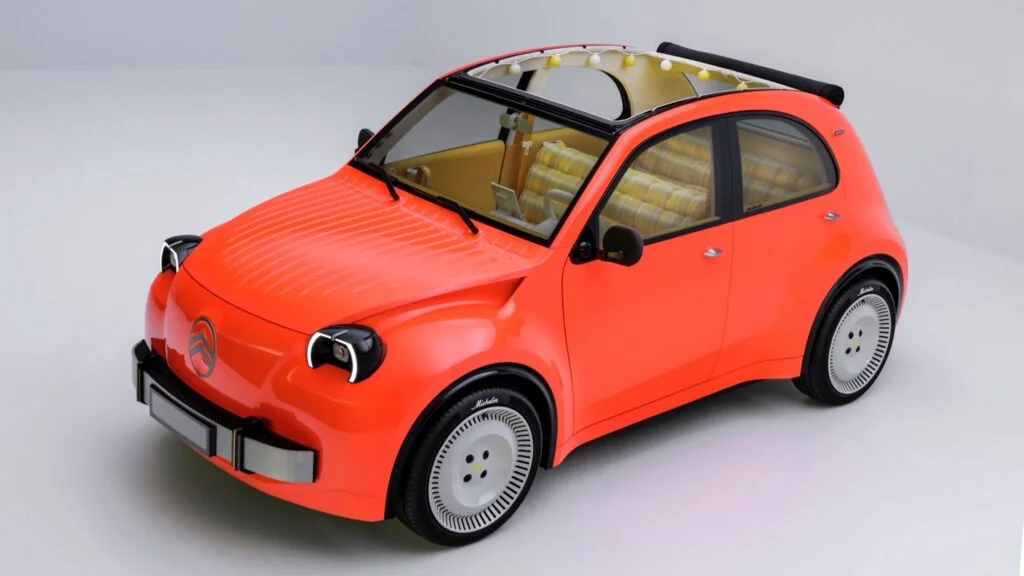
The automotive world has seen a revival of classic models, with names like Mini, Fiat, and VW making comebacks. Yet, Citroën's 2CV, an emblem of automotive heritage, remained conspicuously absent—until now. At this week's Paris Motor Show, the 2CV Concept showcased a fresh interpretation ready to hit showrooms in 2028.
Citroën's bold move comes after previous leadership pledges that the legendary 2CV would remain untouched. This commitment seemed steadfast, particularly given the model's rich history of over 3.8 million units sold between its launch in 1948 and its discontinuation in 1990. However, the landscape of the automotive industry has shifted; Citroën now embraces its legacy to solidify its appeal amidst increasing competition from budget-friendly Chinese EVs. This pivot not only acknowledges the nostalgia attached to the brand but also positions Citroën strategically against emerging rivals that threaten to erode market share.
A Fusion of Classic and Modern Design
The new design of the 2CV is unmistakably a nod to the past, complete with key features that evoke nostalgia in enthusiasts. The updated 2CV boasts a striking four-door electric hatch that channels the original's quirky essence, a balance that most automakers struggle to achieve when reinterpreting classics. A sleek ribbed hood, round headlights, and canvas roof reference the iconic shape. Yet, this iteration presents a more muscular stance, reflected in its wider body supported by robust 19-inch wheels—a design choice signaling intent to compete in a modern marketplace filled with bold, aggressive styling.
Its measurements of 148 inches (3.76 m) mean it's more compact than the original—a smart strategy for urban maneuverability, where city dwelling typically comes with tight parking and narrow streets. This dimension isn't random; it mirrors trends toward smaller vehicles that meet the needs of urban drivers. Coupled with a projected price around €15,000 ($16,800 / £12,700), Citroën aims to tap into the growing market segment of budget-conscious consumers seeking electric options. In this ideal sweet spot, they'll potentially draw in first-time EV buyers and nostalgic customers alike.
Functional and Fun Interior
The interior architecture of the 2CV steers clear of the 'budget car' stereotype while still echoing the simplicity of the classic model. With removable bench seats for impromptu picnics and a portable console acting as a storage solution, the focus is centered around enhancing user experience rather than merely offering practical features. Guests could find themselves drawn not just to the vehicle's design but to the functionalities that invite usability. One standout feature is an integrated egg box in the door, a quirky reminder of the original design goal: to transport eggs without breakage across bumpy terrain. Here, Citroën speaks directly to its heritage, weaving it into a narrative that modern drivers can appreciate.
Retro aesthetics continue with a minimalist steering wheel and an unconventional transmission shifter rising from beneath the dashboard. However, this shifter connects not to a traditional manual transmission but rather to an electric drivetrain. This departure from the older engine styles signals a significant change in Citroën's approach, reflecting broader automotive trends toward electrification and sustainability.
Electric Future and Price Expectations
Details on the vehicle's electric motor and battery specifications remain scarce, which raises questions about performance and range. Given the price point, it’s realistic not to expect blistering performance or extensive range right off the bat. To provide some context, the Renault Twingo's entry-level model delivers about 81 horsepower and offers a range of roughly 163 miles (262 km) per charge. These specifications could serve as a benchmark as Citroën prepares for the 2028 production model unveiling at the same venue where its predecessor first appeared. This creates a nostalgic bookend of sorts for the brand, potentially galvanizing interest.
Thus, while the 2CV's modern iteration embraces cherished traits from its storied past, it also aims to adapt to current automotive challenges. This new model is designed to provide a blend of functionality, nostalgic charm, and affordability—a balance that's essential in a market that now prioritizes eco-friendliness and budget efficiency. It’s a strategy that may resonate with a diverse customer base: those looking for utility and practicality amid a critical shift toward electric mobility.
Significance of the 2CV Renaissance
This revival of the 2CV isn't just about nostalgia or capitalizing on a name. It reflects deeper trends in the automotive industry where legacy brands must innovate to survive. Citroën is stepping beyond mere homage; they're investing in a future that acknowledges their past while adapting to new consumer demands and environmental realities. If you’re working in this space, watch closely. The decisions companies make now are defining how they’ll navigate the challenges of the electric vehicle era—not just for themselves, but for their competitors as well.
And here’s the crux: as affordable EVs become increasingly crucial, Citroën is attempting to carve out a niche for itself by marrying nostalgia with practicality. The implications of this move could extend far beyond just a single model; they may signal a shift in how other brands approach legacy products within an industry that's racing toward electric alternatives. There’s a lot at stake, and only time will reveal the true impact of this bold return to form.

Discussion
Sign in to join the discussion.