Peugeot's E-T16 Concept reimagines the iconic 205 T16 with electric power, boasting astonishing performance and design ready for future production.
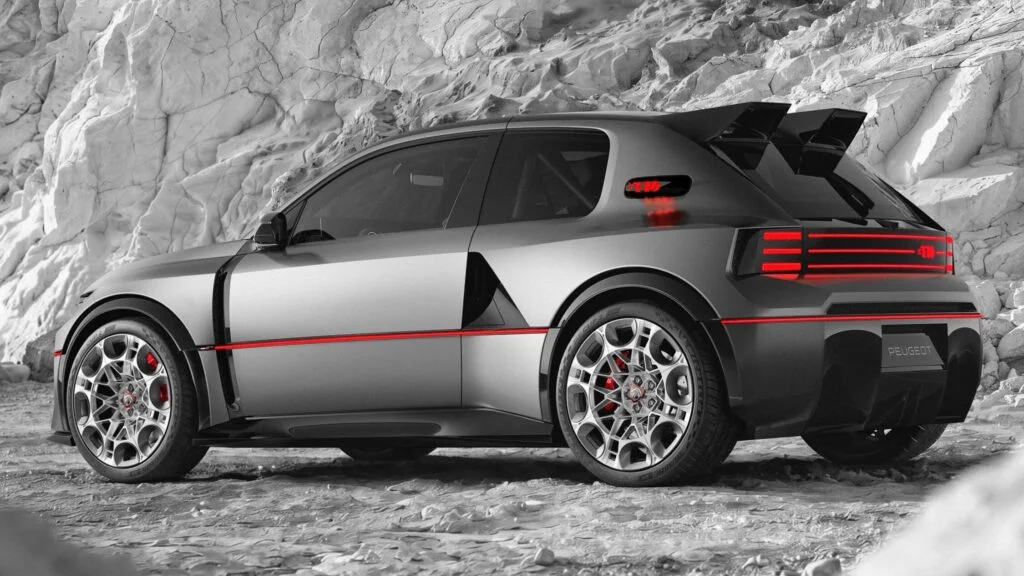
The Peugeot E-T16 Concept is a striking tribute to the legendary 205 T16 rally car, showcasing an impressive blend of power and futuristic design. This concept car taps into Peugeot's rally heritage while stepping into the electric era. Sporting three electric motors, the E-T16 generates a staggering 816 horsepower, and it can sprint from 0 to 62 mph in just 2.5 seconds. It’s hard not to feel a thrill just thinking about its performance metrics, reminiscent of the old Group B rally days, but with a modern twist.
A Nod to Rally Heritage
Celebrating the 40th anniversary of the original 205 T16's consecutive World Rally Championship wins, the E-T16 aims to ignite nostalgia while paving the way for Peugeot's high-performance electric future. Peugeot Sport describes this vehicle as the beginning of a new segment entitled "Hyperhatch," suggesting a captivating direction for hatchbacks that enthusiasts might eagerly embrace. This nomenclature points to a shift in how performance can be redefined in the electric age. While traditional enthusiasts often gravitate toward combustion engines, the E-T16's adaptation of high-performance characteristics to electric power presents an intriguing crossroads.
Powertrain Specifications
Underpinning its fierce performance are three electric motors—one for the front wheels and two at the rear—combined to create a remarkable output. This amount of power certainly sets a new benchmark for Peugeot, making the E-T16 the most potent model in its lineup. The concept promises not just blistering acceleration but sophisticated engineering that enhances overall driving performance, including torque vectoring for better handling. This is where the E-T16 stands out among competitors; it isn’t just about numbers. It’s about the driving experience, with electric motors offering instantaneous torque that can deliver a thrilling ride in any condition.
Advanced Performance Features
But performance isn't just about speed. The E-T16 is designed for rally enthusiasts, featuring advanced capabilities like customizable driving modes and a torque management system to handle various terrains. Its braking system is equally impressive, equipped with 15-inch discs at each corner and bespoke Michelin tires that cater to its aggressive stance and handling requirements. These enhancements indicate that Peugeot understands the specific demands of rally driving, where precision and adaptability are indispensable. There's more to performance than just quick acceleration; it requires a holistic approach to dynamics, which the E-T16 appears to embody.
Cooling Systems and Endurance
Cooling is a critical consideration for high-performance vehicles, especially under extreme conditions, and Peugeot has introduced a novel battery cooling system that draws heat from the sides of the cells. This innovation allows the E-T16 to maintain its power output over extended sessions, such as three laps around the Nürburgring Nordschleife, which underscores the challenges electric vehicles face versus their combustion-engine counterparts. An efficient cooling system can determine a vehicle's endurance in racing scenarios where overheating becomes a risk, a point that many manufacturers occasionally overlook. This attention to the thermal dynamics of performance ensures that the E-T16 can compete with its ICE predecessors effectively.
Design Inspired by Group B Legends
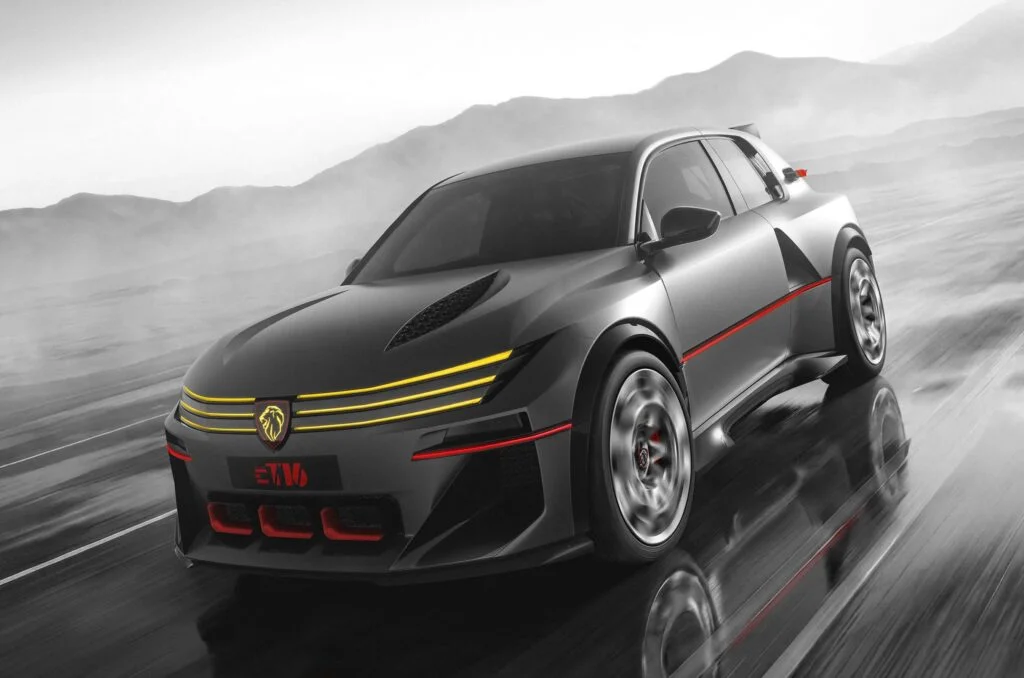
The visual elements of the E-T16 draw heavily from its rally roots. The bold bodywork, flared fenders, and a sizable rear wing echo the styling of its predecessor. With a rich Winchester Matte Grey finish complemented by silver wheels and a red illuminated stripe, Peugeot pays homage to the original T16 while signaling its futuristic ambitions. Each curve and edge not only serves an aesthetic purpose but also functional roles in aerodynamics, representing a blend of form and function that’s rare in today’s automotive designs.
The aerodynamics are thoughtfully engineered, featuring a rear diffuser with adjustable fins and expansive front intakes designed to keep airflow optimal, especially at high speeds. This not only enhances performance but captures the eye with aggressive styling cues that make the E-T16 an unmistakable presence on the road. Such designs are vital for high-speed driving, demonstrating that aesthetics in performance cars should serve a deeper purpose.
Interior Innovations
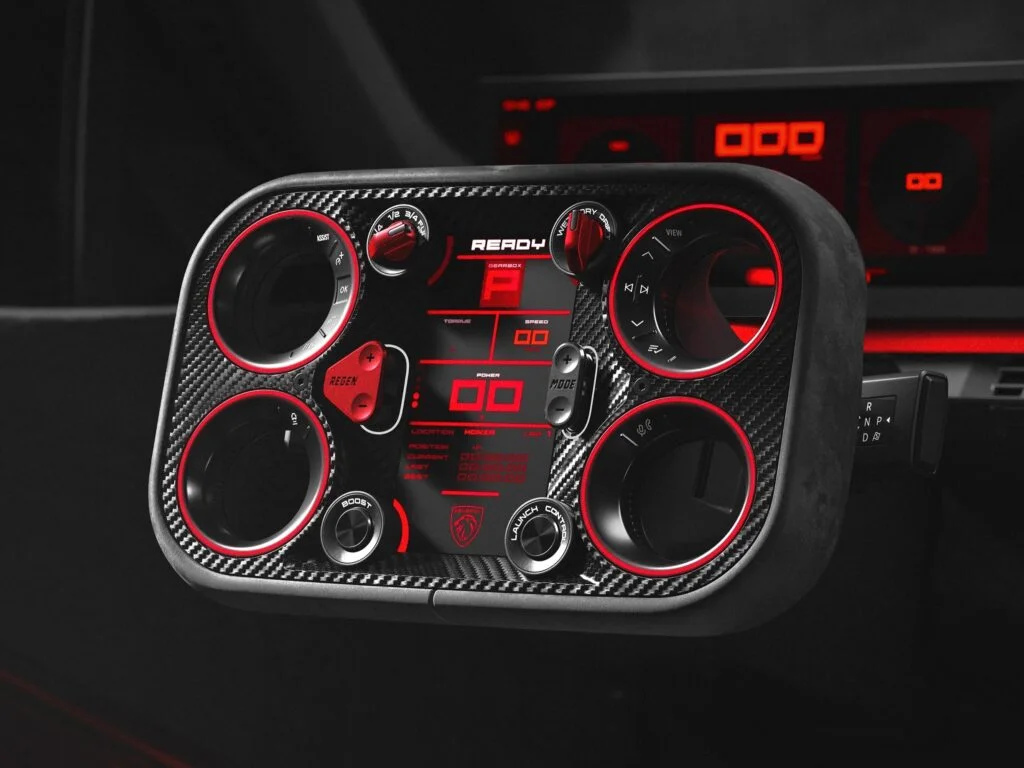
Inside, the E-T16 previews the next-generation Peugeot E-208 with a high-tech cabin that hints at future production models. A sweeping 21-inch display spans the dashboard, focusing on user interactivity, while the unique Hypersquare steering wheel offers an advanced steering-by-wire system. This tech will likely debut in the upcoming E-208, making it a feature to watch for future offerings. The concept signals a potential shift in interior design philosophy as well, focusing on digital integration that caters to tech-savvy drivers—something the industry could benefit from widely.
Future Implications for Peugeot
Peugeot is clearly charting an ambitious course with its E-T16 Concept. While still just a prototype, the potential for features and design cues to crossover into production models creates excitement for Peugeot enthusiasts and electric vehicle fans alike. What this means for you is that the E-T16 serves as a barometer for the brand's intentions to establish a solid presence in the electric performance vehicle segment.
As we await the production variants that will inherit the E-T16's styling and technology, it's evident that Peugeot has laid a promising foundation for the future of electrified performance vehicles. The automotive industry appears set for a thrilling chapter, and the E-T16 might just be the spark that ignites it. If you're working in this space, the implications are vast: this concept could influence not only Peugeot's product strategy but also set trends for competitors looking to carve out their identities in the electric market.
Discussion
Sign in to join the discussion.