Hyundai is set to introduce the Ioniq 4 and Ioniq 7, expanding its electric SUV offerings and enhancing its competitive edge in the EV market.
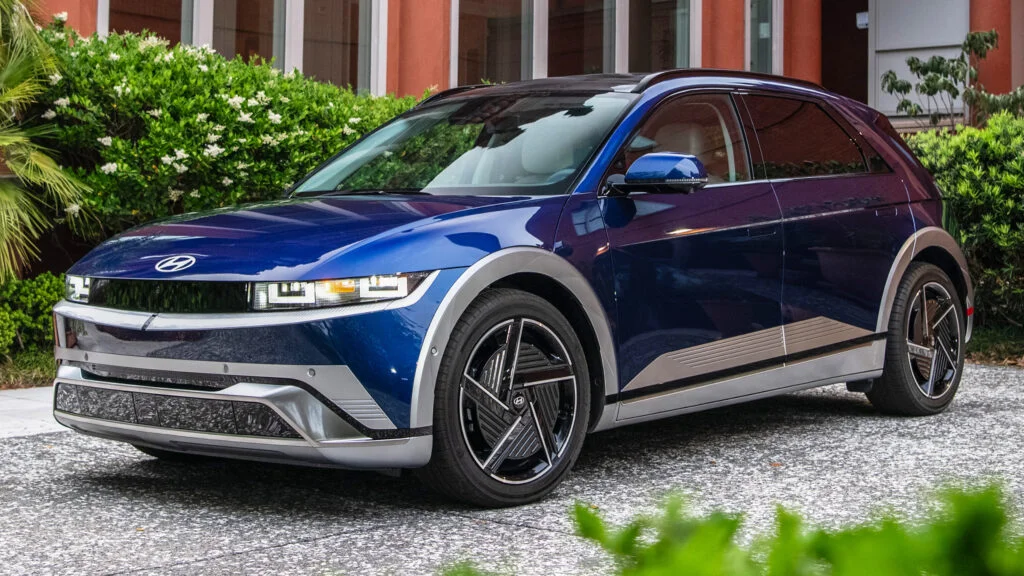
Hyundai's commitment to electric vehicles remains strong as the company gears up to launch two new SUVs: the Ioniq 4 and Ioniq 7. These forthcoming models will diversify its EV lineup, which has rapidly expanded in recent years, placing the brand firmly within the competitive space of electric mobility. Unlike some legacy automakers that have only recently entered the electric vehicle market, Hyundai has methodically built its presence, showing both foresight and agility in adapting to consumer demand.
Introducing the Ioniq 7
The new Ioniq 7 is particularly intriguing, positioned between the existing Ioniq 5 and the Ioniq 9, boasting an 800-volt architecture similar to its siblings. This architecture enables faster charging and more efficient energy use, setting the Ioniq 7 apart from many competitors still utilizing older technologies. As anticipated, this electric SUV will be the flagship model, designed to compete closely with Kia's EV9, while being more spacious and aligning more with the dimensions of the Ioniq 5.
With configurations that include both single and dual-motor options, the Ioniq 7 aims to appeal to a wide variety of consumers. These choices are essential in a market where performance is often a deciding factor for buyers. Though spy shots of test prototypes are absent, speculation suggests that the new SUV will resonate with a broad segment, particularly in regions where modern electric SUVs from rivals are gaining traction. If you're working in this space, the attention Hyundai is paying to consumer preferences here could give them a notable edge.
Comparative Insights with Elexio
An interesting point of comparison arises with the Chinese Elexio, which Hyundai may encroach upon with the Ioniq 7's offerings. The Elexio operates on a 400-volt system and is designed as a front-wheel drive—a configuration that, while effective, pales in comparison to the expected performance metrics of the Ioniq 7. Given Hyundai’s emphasis on premium positioning for the brand, it’s likely that many buyers will be swayed by the promise of a more dynamic driving experience alongside elevated comfort and tech features—elements that can’t be overlooked in a sector driven by consumer experiences.
The implications of this competitive dynamic are clear: as consumers become more educated about EV options, details like powertrain sophistication and driving experience will grow in importance. Buyers are increasingly discerning, and the metrics of power, efficiency, and comfort will dictate their choices. The Ioniq 7 aims to be a solid contender in this landscape, capitalizing on powertrain advancements that could provide substantial differentiation from models like the Elexio.
Smaller SUV Expected: The Ioniq 4
In addition to the Ioniq 7, a smaller model—likely to be called the Ioniq 4—is on the horizon. This SUV will be designed to mirror the Ioniq 3 hatchback in size, but it aims to feature a more traditional, upright design that may enhance its appeal across diverse customer segments. There's a clear intention to capture the family market where practicality is as important as electric efficiency. Given its anticipated similarity to the Kia EV3, the Ioniq 4 could cater effectively to families seeking practicality without sacrificing electric efficiency.
Design choices for the Ioniq 4 suggest a shift towards a boxier silhouette, and this is the part most people overlook: a more spacious interior can often make or break family vehicle decisions. By utilizing familiar battery packs and electric motors, Hyundai aims for a balanced range of capabilities, likely ranging between 42 kWh and 61 kWh. With these offerings, the Ioniq 4’s performance is expected to compete well with rival models that promise efficiency without compromising on utility.
Strategic Enhancements and Market Positioning
Hyundai’s strategic approach in diversifying its Ioniq range signals a keen understanding of consumer preferences and market demands. By placing emphasis on both the Ioniq 4 and 7, Hyundai not only bolsters its electric vehicle offerings but also solidifies its competitive stance against rivals in the increasingly crowded EV market. Their strategy reflects a broader trend among automakers that recognize the necessity of catering to varied consumer interests, particularly as electric options become mainstream.
As anticipation builds around these models, expectations will rise regarding their specific features and technological advancements. One thing is clear: Hyundai is determined to lead with a varied portfolio that meets the diverse preferences of modern consumers. The emphasis on differentiated models highlights a sophisticated understanding of the market. But will it be enough? The immediacy of consumer choices will test Hyundai's resolve and adaptability.
Future Outlook: Challenges and Opportunities
Looking ahead, Hyundai faces a mixed bag of challenges and opportunities. The EV market is poised for rapid change. The competition is intensifying, with new entrants frequently disrupting established dynamics. Factors like supply chain issues, battery technology advancements, and changing government regulations will play significant roles in shaping the future landscape. Meanwhile, consumer expectations for technology integration, enhanced range, and affordability are growing.
This sets a stage for Hyundai that could very well lead it to become a significant player in the electric vehicle segment, particularly if it capitalizes on the strengths of the Ioniq 4 and 7. But maintaining momentum amidst fierce competition won’t be easy. The future of Hyundai's Ioniq range rests not only on the compelling features of these vehicles but also on how the brand navigates the complex environment of electric mobility.
Discussion
Sign in to join the discussion.