Honda is shifting its U.S. production strategy, delaying the next-generation CR-V and canceling plans for new Civic manufacturing in Indiana.
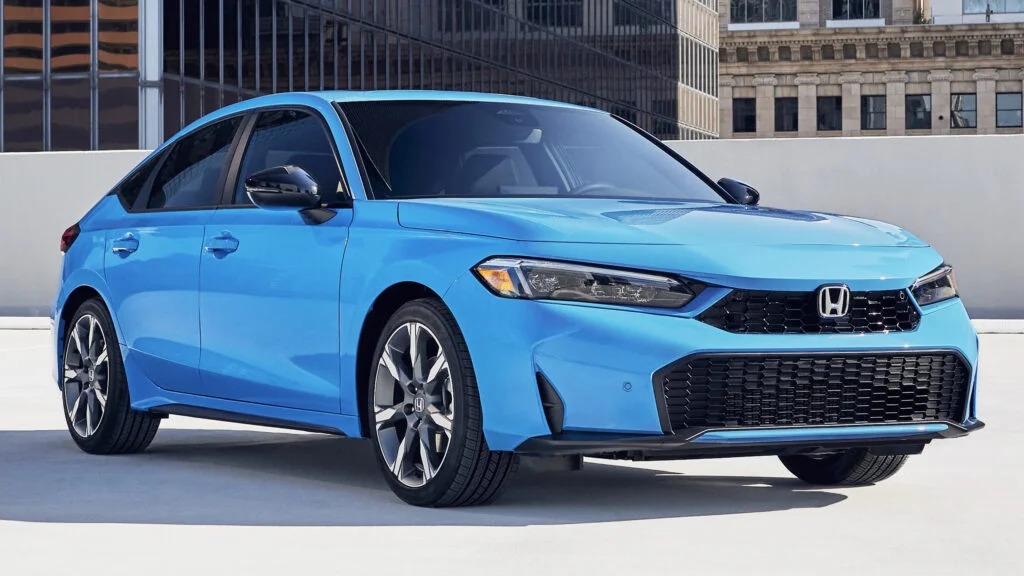
Honda is realigning its production strategy for the upcoming models of the CR-V and Civic, aiming to enhance profitability. This shift means that consumers hoping for the next-gen CR-V will face delays, while the current model remains available for longer. In the competitive landscape of the automotive market, such decisions are not just operational but necessitate a pivot in how manufacturers gauge consumer demand and production efficiency.
The next-generation CR-V is anticipated to debut either late this year or early 2027, featuring a redesigned hybrid powertrain designed for better efficiency and decreased production costs. Originally set to enter production in January 2027, this timeline has now shifted to April 2027. Honda's careful orchestration around this timeline indicates a response to both internal assessments of production capabilities and external market trends affecting hybrid vehicles.
Initially planned to be manufactured at Honda's facility in Indiana, production for the new CR-V is now expected to commence at the Alliston, Ontario plant before ramping up in the U.S. Reports indicate an initial target of 41,315 units for North American production in the first year, marking a 6.7% reduction in monthly output from prior estimates. This reflects not just a logistical consideration but underscores Honda's need to recalibrate its production volume according to the fluctuating market signals and consumer interest.
Current CR-V Sales Performance
The CR-V is putting forth impressive sales numbers, with a 9.5% increase through the first nine months of this year, totaling 336,844 units sold. Particularly noteworthy was September, when sales surged by 17% compared to the same month last year, pushing the total to 34,788 units. Such a sales trajectory affirms the CR-V's status as Honda's best-selling vehicle, outselling the Civic nearly two-to-one. When a vehicle achieves sustained high demand like this, manufacturers often reassess their upcoming product rollouts.
The ongoing success of the current CR-V is likely influencing Honda's decision to delay the new model. As the existing version approaches four years of age yet still thrives in the market, it seems prudent for Honda to capitalize on its popularity. In an industry where vehicles can become outdated quickly, Honda's approach appears to be a calculated move to maintain relevance while also leveraging existing consumer loyalty.
Changes to Civic Production Plans
Alongside the CR-V adjustments, Honda has scrapped plans for producing the next-generation Civic at its Indiana facility. Sources suggest this decision was made to allocate resources more effectively, paving the way for increased CR-V production, which presents higher sales and profitability margins compared to the Civic. The choice to prioritize the CR-V reflects a broader trend among manufacturers to focus on models with the most consumer traction.
As it stands, the next-gen Civic sedan is still scheduled for manufacture at the Ontario plant, expected to begin in April 2028. However, the cancellation of Civic production in Indiana means that Honda will now import the hatchback model from Japan, marking a shift in its supply chain strategy. The potential drawbacks of this decision include longer wait times for consumers and increased logistical complexity, but this adjustment could be a pragmatic response to current economic pressures affecting domestic manufacturing.
Future Model Developments
Both the new CR-V and Civic are set to transition to Honda's updated mid-size platform, which aims to lighten the vehicles by around 198 lbs (90 kg) compared to their predecessors. This weight reduction isn't just about enhancing performance—it's also a strategic move to improve fuel efficiency, a vital metric in today’s automotive market, where eco-friendly vehicles are gaining ground. Hybrid variants will feature a new direct-injection 2.0-liter inline-four engine combined with revised electric motors and the S+ Shift simulated gears, akin to those used in the Prelude. It’s innovations like these that can dictate how well new models are received.
These changes point to Honda's strategic pivot to focus on models that reflect stronger market demand and profitability prospects. By redistributing production capacity towards the CR-V, Honda is vying to optimize its output to better meet customer preferences while also navigating the challenges posed by evolving market conditions. The next generation of vehicles must align with not just consumer tastes, but also regulatory demands for lower emissions and better fuel economy.
Implications for Honda and the Automotive Market
The shifts in production strategy resonate beyond Honda itself, shedding light on a broader trend within the automotive industry. As manufacturers increasingly adapt to fluctuating consumer preferences, the emphasis on hybrid and electric models will only heighten. If you're working in this space, consider how your organization is positioning itself to meet these demands. The ability to pivot like Honda shows an understanding of the market that many companies still seem to struggle with.
The implications of Honda's decisions will ripple through supply chains and consumer expectations. Can Honda maintain its current momentum with the CR-V? Or will delays in the new models lead to a market opening for competitors to swoop in? Only time will tell, but the coming years will be telling in carving out each manufacturer's niche in this transformed automotive environment.
Discussion
Sign in to join the discussion.